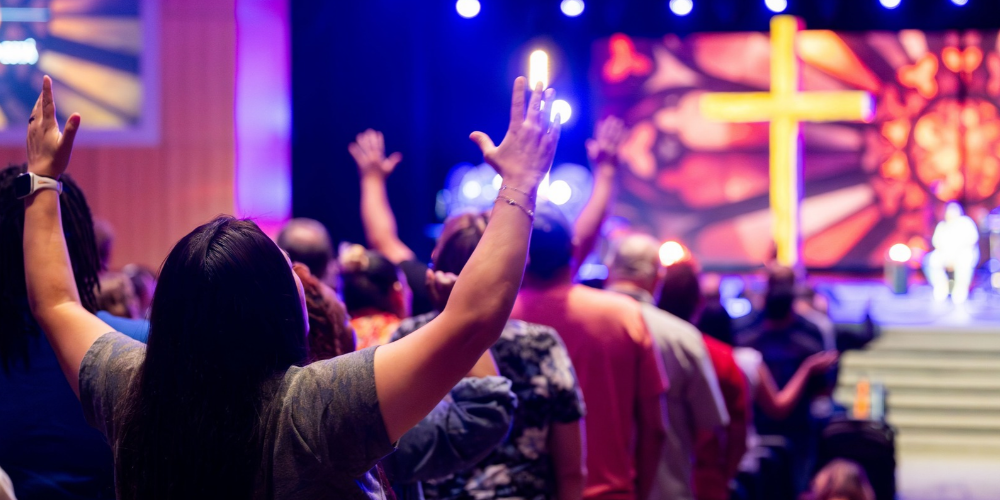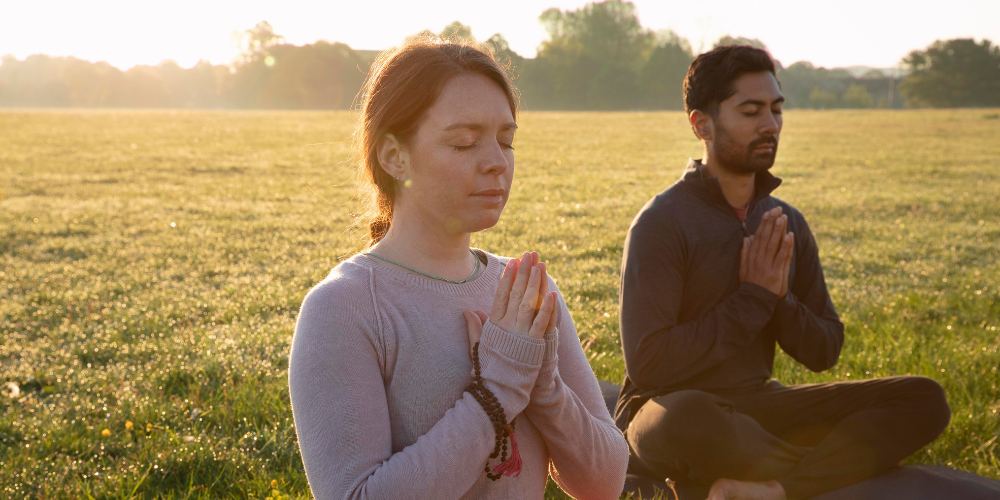

Spiritual health isn’t just about religion or following rituals. It’s about how individuals connect with their inner values, life’s purpose, and the world around them. Whether someone practices a religion or not, spiritual well-being plays a vital role in overall health. It’s not confined to sacred texts or temples—it’s often found in quiet reflection, meaningful relationships, and personal beliefs. While the concept may seem abstract at first, it’s more accessible than it sounds.
This kind of health supports emotional resilience, clarity, and peace. It helps people find meaning, especially during difficult times. The journey toward strengthening spiritual wellness is deeply personal, yet it’s also one that can lead to profound self-understanding and a more grounded sense of living.
Understanding Spiritual Health
Spiritual health refers to the ability to find purpose, meaning, and a sense of belonging. It’s an internal state tied to how someone views themselves, others, and life’s bigger picture. This kind of well-being isn’t a checklist of dos and don’ts—it’s shaped by experience, self-awareness, and personal reflection.
Michael Bennett, a licensed therapist who incorporates spirituality into mental health counseling, describes spiritual health as an essential element of a well-rounded life. According to him, it’s about “functioning meaningfully as a person across your physical, mental, and social life.” It’s not about perfection or spiritual enlightenment—it’s about feeling anchored and aligned within.

Interestingly, neuroscience is increasingly linking spiritual experiences to brain function. Some studies suggest that connecting to something greater than oneself, whether that’s nature, community, or a personal belief, can strengthen areas of the brain that deal with decision-making and focus. This makes spiritual well-being not just emotional but neurological.
Signs of Strong Spiritual Health
While the meaning of spirituality differs from person to person, there are some common indicators that show when it’s being nurtured. These signs reflect how connected someone feels to their core values, their sense of peace, and their relationships.
1. Clarity of Purpose
Understanding what truly matters and why gives life direction. People with strong spiritual health often have a clearer sense of purpose and are more resilient in facing challenges.
2. A Calm Inner State
Spiritual wellness often brings emotional stability. Even during tough moments, those who are spiritually grounded tend to find peace through reflection, prayer, or quiet time.
3. Authentic Connections
Spiritual health often influences the quality, not quantity, of relationships. It helps create connections that are honest, meaningful, and based on mutual respect.
4. Daily Mindfulness
Being present is a practice often linked to spiritual well-being. Whether through meditation, breathwork, or simple awareness during daily tasks, mindfulness increases focus and emotional clarity.
5. Living Your Values
People who are spiritually well usually live in alignment with their values. They’re not easily swayed by outside pressure and tend to act with integrity.
How Spiritual Health Differs from Physical Health
Physical health relates to the body: nutrition, exercise, rest, and medical care. Spiritual health, on the other hand, centers on the mind and spirit. It’s not always visible, but its effects are just as real.
The two are connected more than they appear. Amy Clark, a clinical counselor who works with couples and individuals, shares that spiritual health is often key in therapy. She notes, “Understanding one’s spiritual self is not about rituals—it’s about discovering where peace and hope are found, even in hard times.”
Spirituality can impact healing, emotional intimacy, and overall wellness. It’s not measured by tests or scans but by how someone experiences meaning, love, and inner balance.
Is Spirituality the Same as Religion?

Although related, spirituality and religion aren’t interchangeable. Religion typically involves organized practices, community structures, and shared beliefs. Spirituality, on the other hand, is personal. It doesn’t require a belief in a specific deity or adherence to institutional doctrine.
Bennett explains that spirituality can exist with or without a religious context. He says, “You don’t have to belong to a religion to be spiritually well. A person who’s agnostic, atheist, or spiritual-but-not-religious can still build a meaningful spiritual life.”
In essence, religion often provides the framework; spirituality builds the experience. Depending on the individual, both can work together or independently.
Why Paying Attention to Spiritual Health Matters
Spiritual health affects more than beliefs—it shapes how people relate to themselves, others, and life’s bigger questions. It’s what helps people bounce back after a setback, stay grounded through stress, and maintain perspective through change.
Fostering spiritual wellness isn’t about mastering philosophy or joining a specific group. It’s about taking time to reflect, connect, and find meaning in everyday moments. Whether through solitude, community service, or honest conversations, nurturing this part of life can have lasting benefits across the board.
It’s not always easy, but it’s always worth exploring.