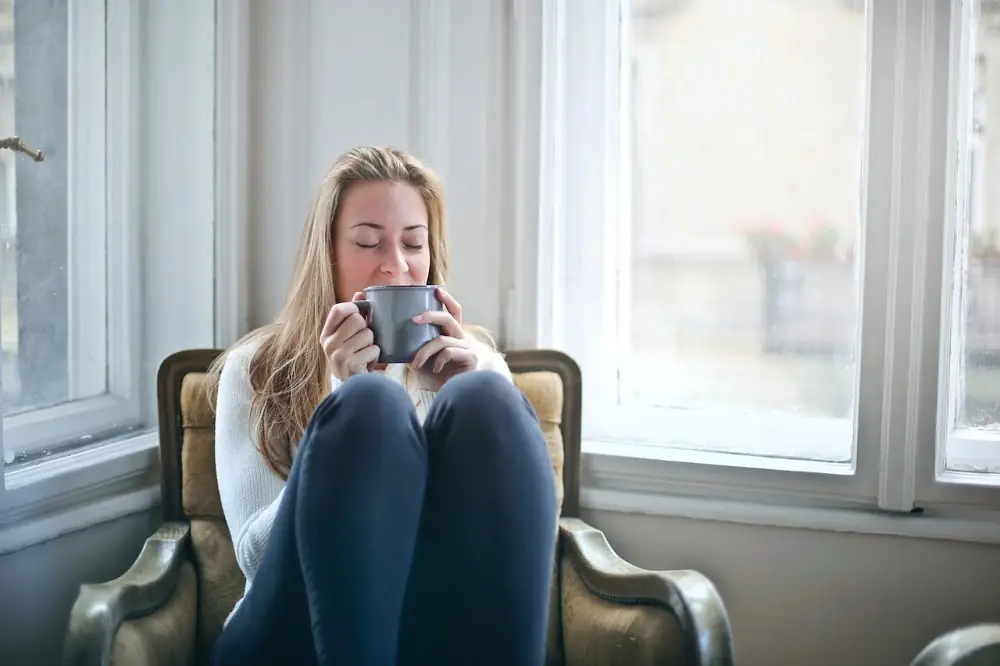
Mastering the art of relaxation is a skill that can greatly enhance our overall well-being and quality of life. Carving out time for relaxation and self-care is crucial in today’s fast-paced world, filled with constant stressors and responsibilities. Here are some effective strategies and techniques to help you master the art of relaxation.
Create a Relaxation Routine
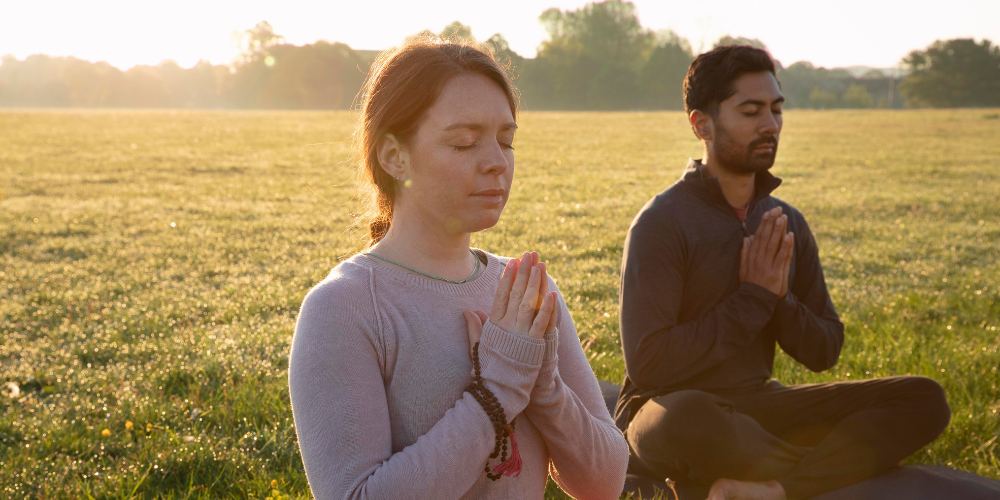
Establishing a regular relaxation routine is essential for mastering the art of relaxation. Set aside dedicated time each day or week for relaxation activities. This could include meditation, yoga, deep breathing exercises, or engaging in hobbies that bring you joy and tranquility. Consistency is key in training your mind and body to enter a state of relaxation more easily.
Practice Mindfulness
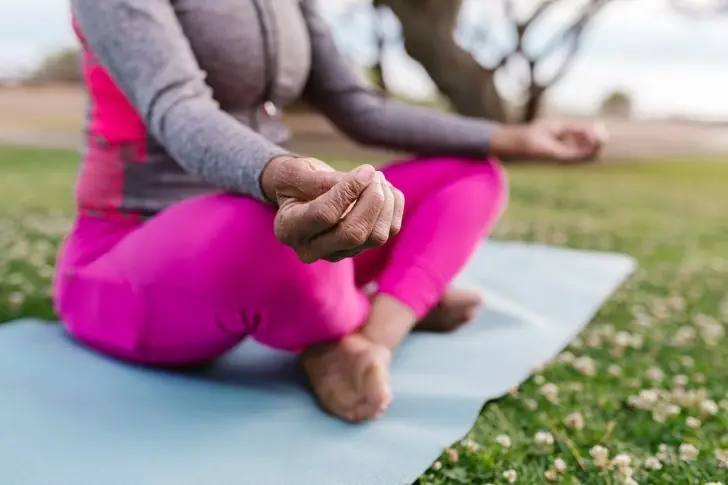
Mindfulness is being fully present and aware of the current moment without judgment. By cultivating mindfulness, you can enhance your ability to relax and let go of stress.
Incorporate mindfulness into your daily life by focusing on your senses, observing your thoughts and emotions without attachment, and practicing gratitude. This helps shift your attention away from worries and concerns, promoting relaxation and inner calm.
Prioritize Self-Care
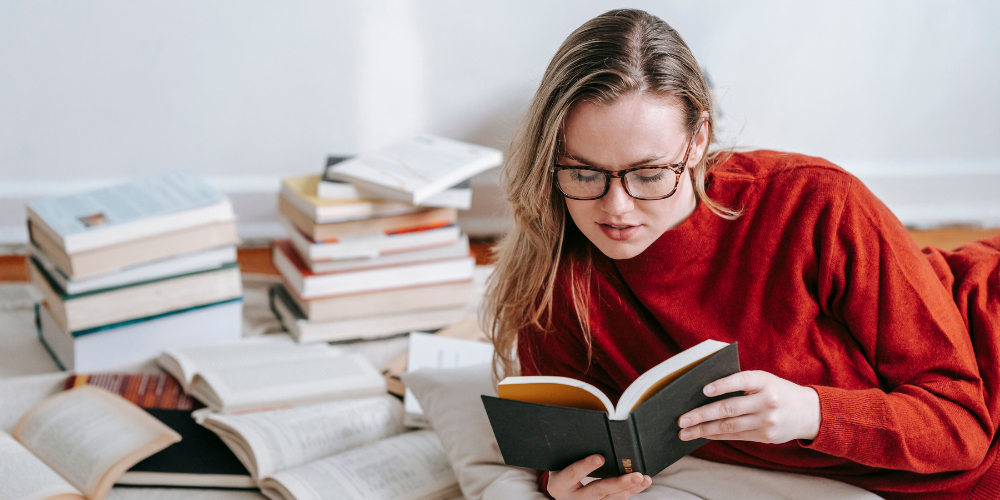
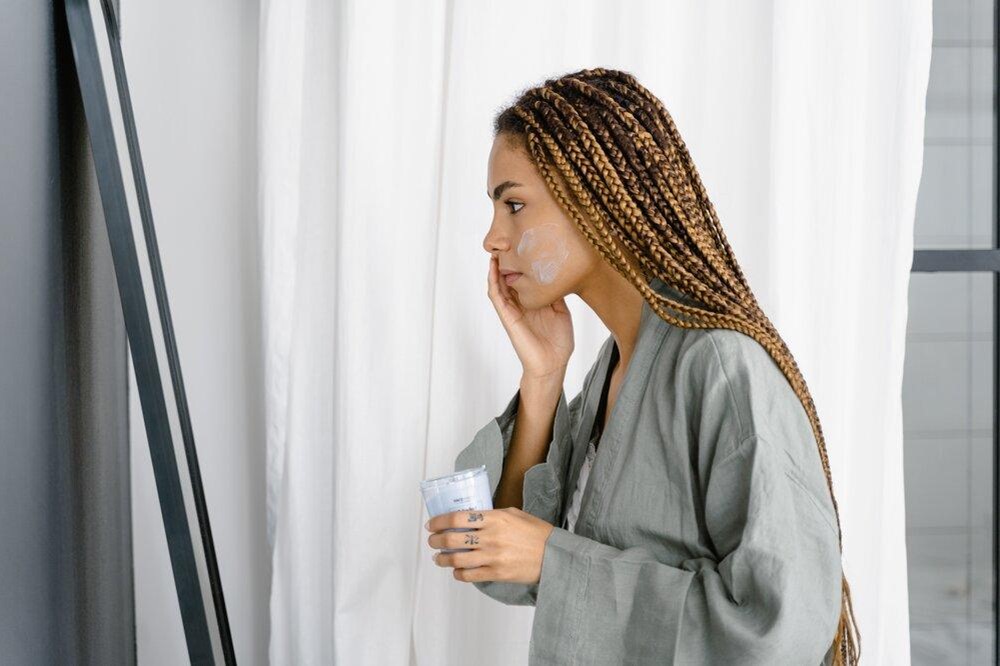
Self-care plays a vital role in relaxation. Make self-care a priority by engaging in activities that nurture your physical, mental, and emotional well-being. This can include taking warm baths, indulging in a good book, spending time in nature, getting enough sleep, and nourishing your body with nutritious foods. When you prioritize self-care, you signal to yourself that your relaxation and well-being are important.
Disconnect From Technology
Technology has become integral to our lives but can also contribute to stress and overwhelm. Set boundaries with technology and create technology-free zones or periods.

Designate specific times each day to disconnect from electronic devices and engage in activities that promote relaxation, such as reading, taking a walk, or engaging in meaningful conversations with loved ones. Disrupting from technology creates space for genuine relaxation and mental rejuvenation.
Engage in Physical Activity
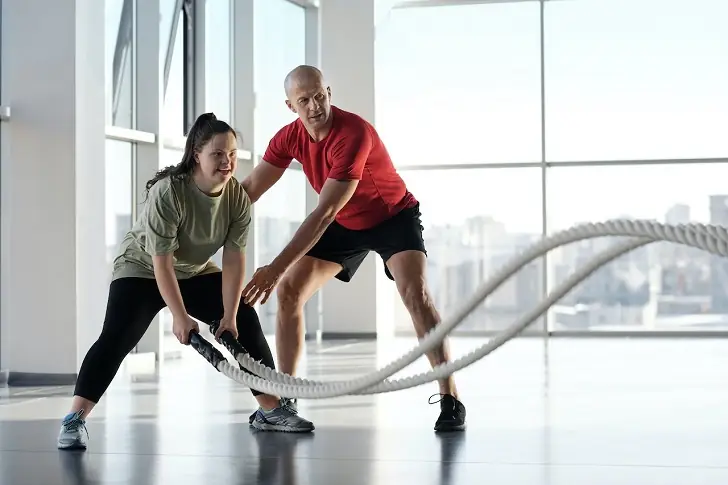
Physical activity is not only beneficial for our physical health but also for relaxation and stress reduction. Engaging in regular exercise releases endorphins, which are natural mood boosters. Find an exercise routine that suits your preferences and abilities, whether running, practicing yoga, or taking a dance class. Moving your body helps release tension, improves blood flow, and promotes relaxation.
Practice Deep Breathing
Deep breathing exercises are simple yet powerful techniques for inducing relaxation. When we are stressed, our breath tends to become shallow. We activate the body’s relaxation response by consciously slowing down and deepening our breath.
Take a few minutes each day to practice deep breathing. Inhale deeply through your nose, allowing your abdomen to expand, and then exhale slowly through your mouth, letting go of any tension or stress with each breath.
Surround Yourself With a Relaxing Environment
Create a peaceful and calming environment that supports relaxation. This can include decluttering your living space, using soft lighting or candles, playing soothing music, and incorporating elements of nature such as plants or natural scents. Your environment greatly influences your state of mind, so make sure it is conducive to relaxation.
Learn to Say No
Our inability to relax often stems from an overloaded schedule and a constant need to please others. Learning to set boundaries and say no when necessary is crucial for mastering relaxation. Prioritize your own needs and be selective about the commitments you take on. Remember, it’s okay to prioritize your well-being and permit yourself to relax.