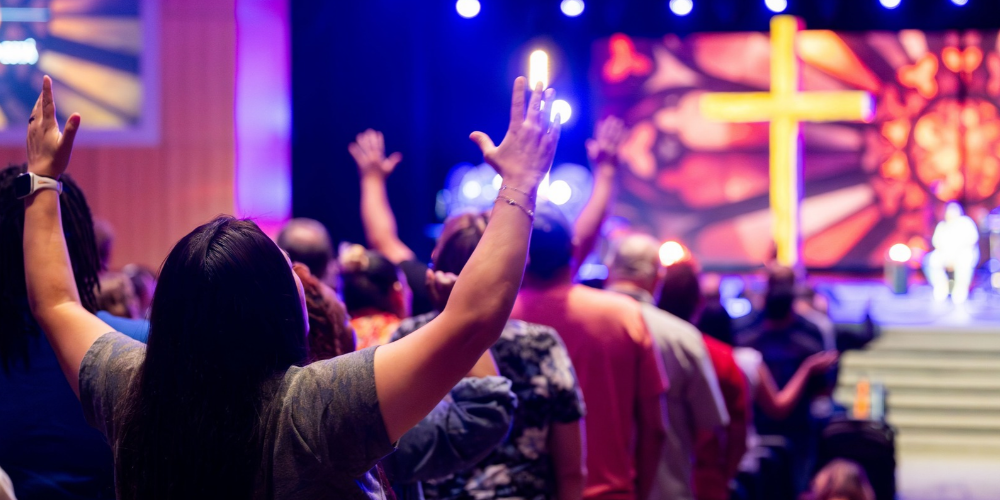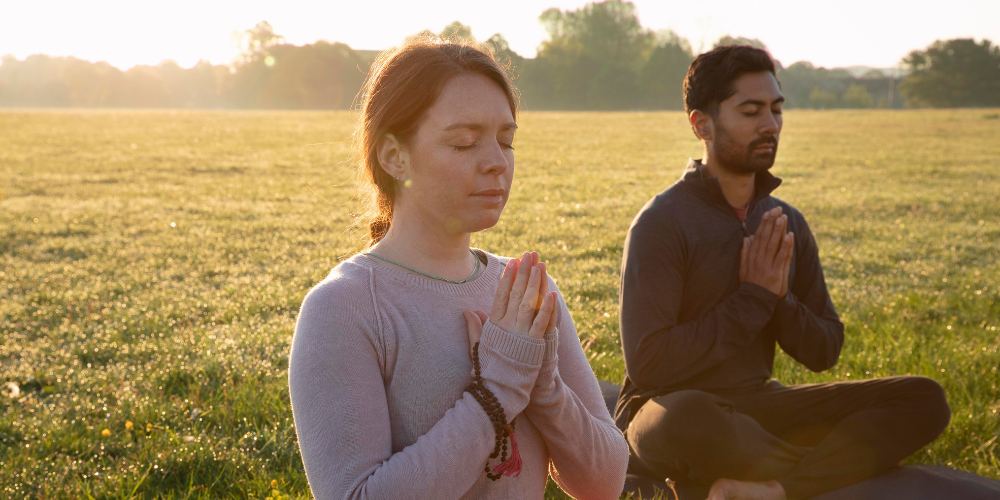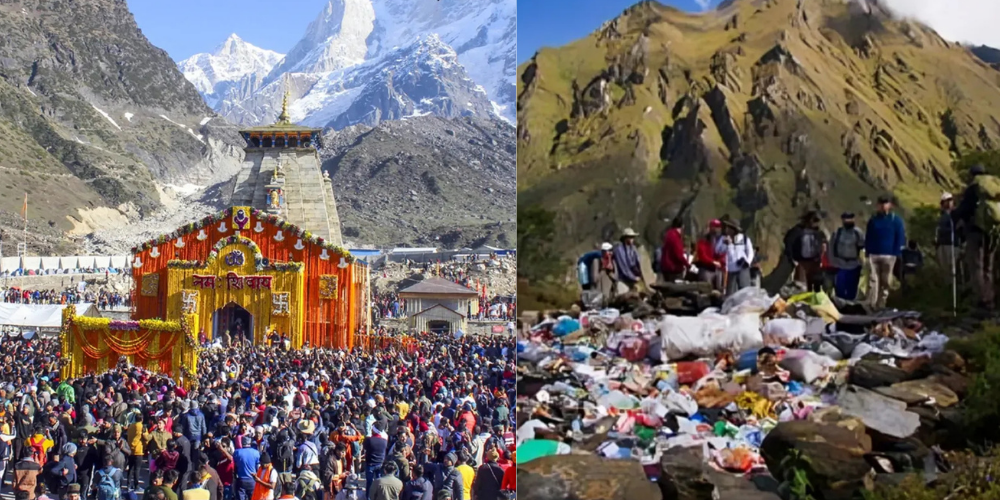
Spirituality often reveals itself in quiet gestures passed from one generation to the next. These small acts, carried across borders and blended into new environments, form a living practice that evolves while still rooting communities in comfort, safety, and belonging.
Across Afghan, Pakistani, and diaspora households, these traditions hold a steady presence, offering reassurance in an unpredictable world.
The Enduring Power of Departure Rituals
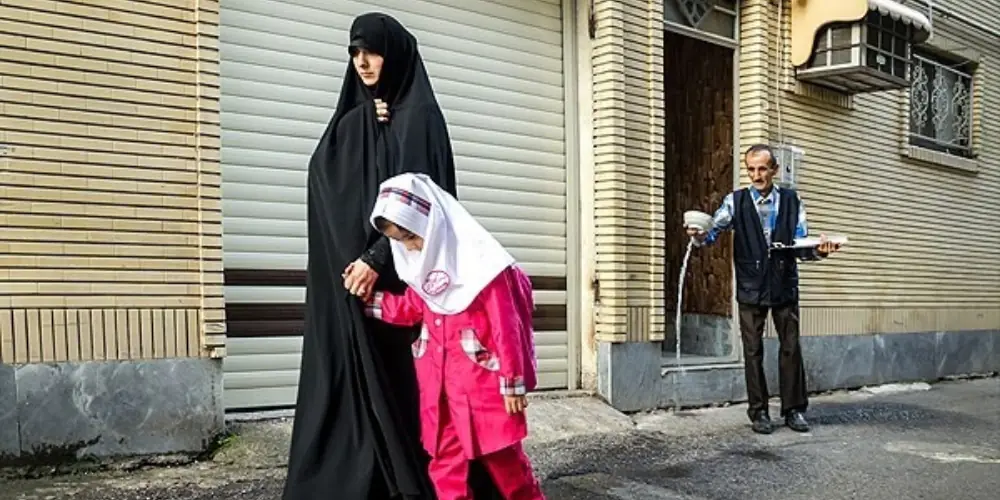
Certain farewell habits continue to appear in families scattered across continents. A common example involves a bowl of water poured behind someone leaving for a journey. Elders often whisper phrases such as “La har azaab po aman se,” meaning may all hardship stay away from you in Pashto. Children usually take part with shy excitement, unaware that the gesture predates borders and reflects a shared desire for protection.
These rituals travel far from their origins. Whether in London, Melbourne, Kabul, or Karachi, they maintain a consistent purpose: sending someone forward with a blessing rooted in affection.
Traditions Learned in Challenging Cities
Kabul and Karachi, both shaped by instability, teach residents the value of small acts carried out quietly. These cities show how people rely not only on formal religious guidance but also on habits that offer grounding during uncertainty. These actions are subtle, unannounced, and filled with emotional meaning.
Examples observed across Afghan and Pakistani communities include:
1. Keeping a black cloth near the entrance after recovery from illness or after purchasing something considered valuable, used as a simple shield against the “evil eye.”
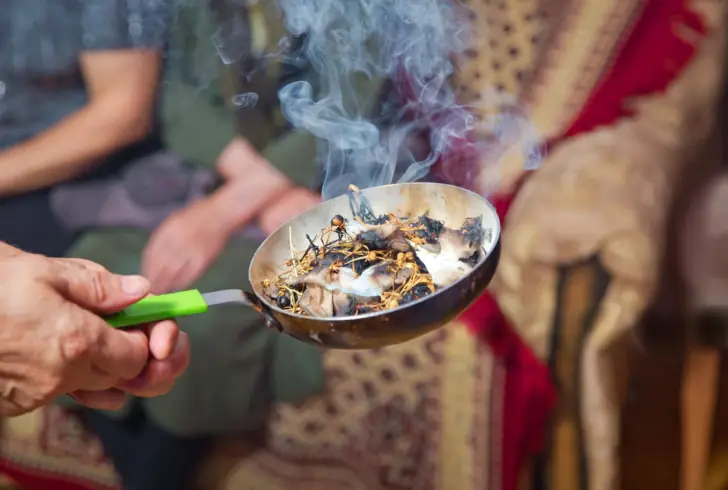
2. Burning esfand seeds in a pot above children returning from weddings or social gatherings to dispel heavy or envious energy.
3. Marking a tiny black dot behind a baby’s ear to gently “hide” their beauty from potential jealousy.
Each practice reflects a belief shared by many elders: too much visible goodness attracts negativity, so it is wiser to remain partially concealed from unwanted attention.
Protective Acts That Carry Emotional Weight
Spiritual symbols often appear in understated forms. The fragrance of burning esfand, the rhythmic sound of qawwali, or the feeling of a taweez wrapped around a wrist hold significance beyond superstition. They create a sense of safety, continuity, and grounding that individuals rely on, especially in communities familiar with loss or instability.
These customs rarely come from formal religious teaching. Instead, they move quietly through families—taught by grandmothers, remembered by mothers, and adopted naturally by younger generations who observe and internalize them.
Many deeply religious households continue these habits alongside prayer, fasting, and recitation. The two approaches are rarely separated; instead, they settle into daily life as complementary layers of comfort.
Habits That Cross Borders
Across multiple migrations, certain habits tend to remain intact. Reciting Ayatul Kursi before flights, delaying nighttime sweeping to avoid “letting blessings escape,” or keeping protective symbols around the home continue to appear in the routines of those living far from their original communities.
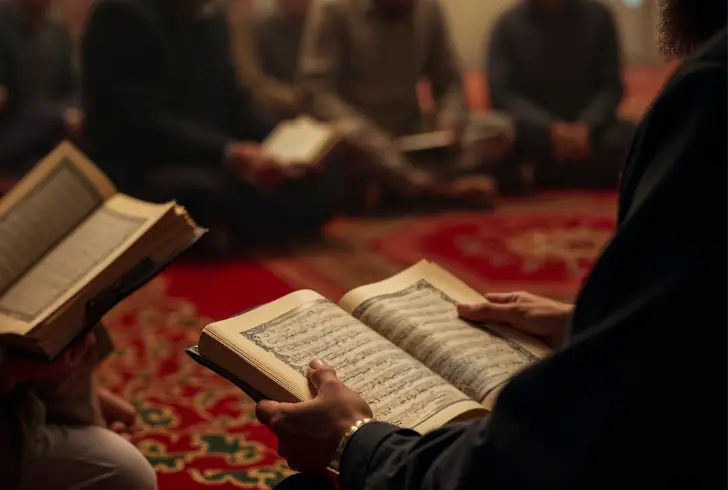
These practices last because they feel personal. They help make sense of a world that often shifts without warning. In regions where life changes overnight and unpredictability is common, small rituals offer reassurance and emotional steadiness.
Universal Echoes Across Cultures
These gestures appear not only in Afghan and Pakistani families but also in spiritual circles across the world. Chanting traditions among Indigenous Australians, protective customs in various cultural groups, and prayer rituals adapted to local rhythms all reflect a shared human instinct: creating invisible shields for peace, clarity, and protection.
In Kabul’s bazaars, cloth strips still appear tied to trees outside mosques—each representing a prayer, a wish, or a moment of hope. This simple act mirrors countless practices across the world where people attach their fears or dreams to a physical symbol.
Why These Rituals Endure
Such traditions carry more than memory. They become threads connecting families to ancestral voices while adapting to new homes and new eras. Whether these habits continue in future generations remains uncertain, yet the human desire to seek comfort through small, meaningful acts will always remain.
These gestures may appear modest, but they often hold a deeper purpose. They soften the chaos of everyday life and highlight the quiet ways communities seek protection, solace, and continuity.
Spiritual rituals in daily life show how adaptable spirituality can be. Practices like water blessings, protective herbs, whispered prayers, symbolic markings, and community traditions provide stability. They also help people stay connected to their heritage, even when cultures change or families live far apart.