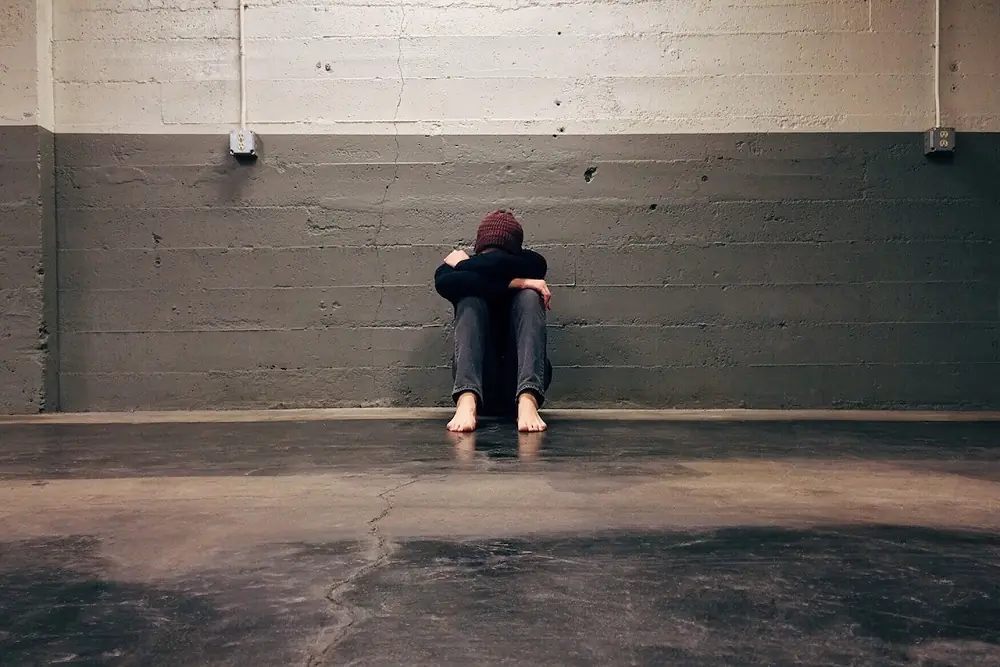
Panic attacks can be debilitating and overwhelming, trapping individuals in a cycle of fear and anxiety. These sudden surges of intense anxiety can manifest with physical symptoms such as a rapid heartbeat, shortness of breath, dizziness, and a sense of impending doom.
However, there are effective strategies that can help individuals manage and cope with panic attacks. This article will explore various techniques and methods to deal with panic attacks and regain a sense of calm and control.
Recognize and Accept
The first step in dealing with panic attacks is recognizing and accepting them for what they are. Understanding that panic attacks are a natural response to stress and anxiety can help reduce the fear associated with them. Accepting that you are experiencing a panic attack rather than a life-threatening event can prevent the panic attack from escalating further.
Deep Breathing Exercises
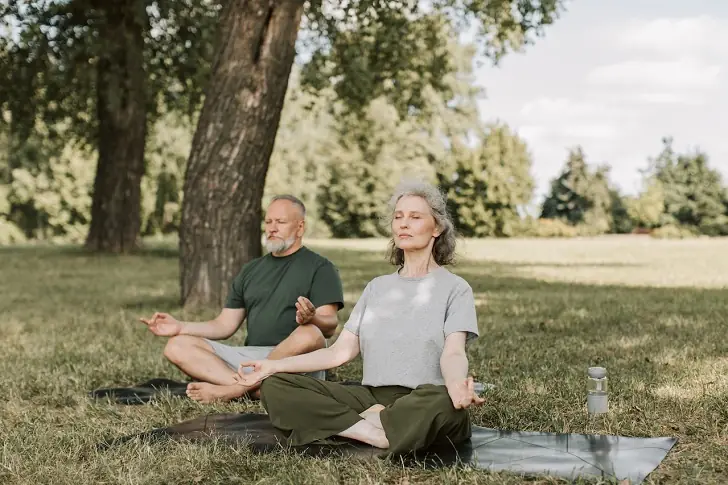
Deep breathing exercises are a powerful tool for managing panic attacks. Focus on slow, deep breaths through your nose and your mouth. This helps regulate your breathing, reduce the physical symptoms of panic, and signal to your body that it’s safe to relax.
Practice Mindfulness and Grounding Techniques
Mindfulness and grounding techniques can help anchor you in the present moment and divert your attention away from panic. Try focusing on your surroundings by naming five things you can see, four things you can touch, three things you can hear, two things you can smell, and one thing you can taste. This simple exercise can help shift your focus and decrease the intensity of the panic attack.
Challenge Negative Thoughts
Panic attacks often stem from catastrophic and irrational thoughts. Learn to challenge these negative thought patterns by asking yourself, “Is there evidence to support this thought?” or “What’s the worst that could happen?” This process of cognitive restructuring can help you gain perspective and reduce the power of these thoughts.

Progressive Muscle Relaxation
Progressive muscle relaxation involves tensing and then releasing different muscle groups. This technique helps reduce physical tension and promotes a sense of relaxation. Start from your toes and work up to your head, focusing on each muscle group for a few seconds before releasing.
Visualize a Calm Place
Close your eyes and visualize a safe and calm place, real or imaginary. Engage your senses – imagine this place’s sights, sounds, and smells. Visualization can help shift your focus away from the panic attack and create a sense of inner tranquility.
Reach Out for Support
Connecting with others during a panic attack can be incredibly comforting. If you feel safe, consider contacting a trusted friend, family member, or mental health professional. Sometimes, just talking about your experience can help alleviate the intensity of the panic attack.

PrioritizeSleep and Nutrition
Adequate sleep and a balanced diet are crucial in managing anxiety and panic attacks. Lack of sleep and poor nutrition can exacerbate feelings of stress and anxiety. Aim for a consistent sleep schedule and include a variety of nutritious foods in your diet to support your overall well-being.
Engage in Regular Exercise
Regular physical activity can have a positive impact on both your physical and mental well-being. Exercise releases endorphins, which are natural mood lifters. Engaging in activities like walking, yoga, or swimming can help reduce overall anxiety and make you more resilient to panic attacks.