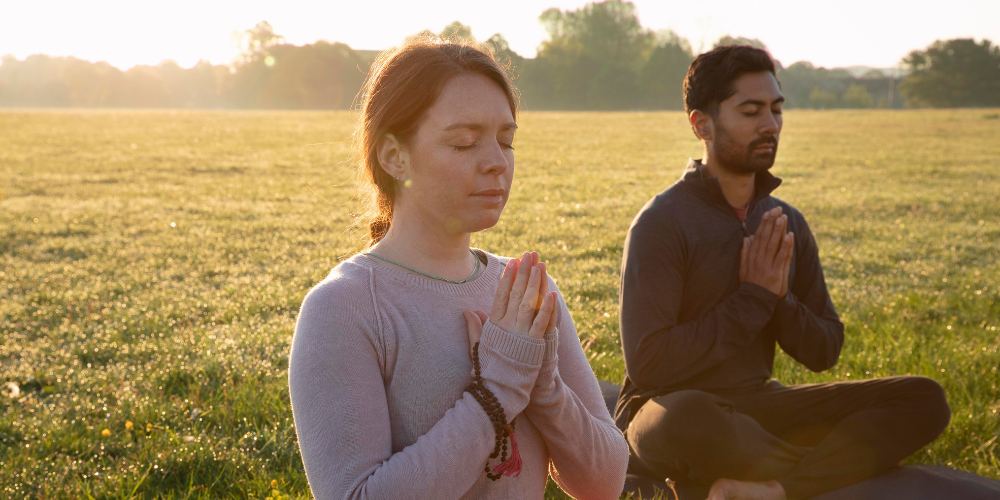
As technology becomes increasingly woven into personal lives, something unexpected is happening. People aren’t just using ChatGPT to draft emails or brainstorm recipes. They’re turning to it for something deeper—something sacred.
From astrology readings and tarot interpretations to dream decoding and energy healing prompts, ChatGPT is being positioned as a modern spiritual tool. But does relying on AI for such intimate guidance reveal a deeper shift in how individuals seek meaning?
The Rise of Algorithmic Spirituality
A growing number of users are experimenting with ChatGPT to answer spiritual questions, replacing or supplementing traditional paths like meditation, journaling, or even speaking with a human spiritual guide. This phenomenon isn’t limited to just the curious.
Some believe the algorithm itself is a messenger—delivering divine insight right when it’s needed. On platforms like TikTok, this idea is often labeled as algorithmic conspirituality—the belief that tech-driven tools deliver personalized spiritual messages with uncanny timing.
– Videos claim AI is “speaking directly” to viewers
– Spiritual content is framed as being meant just for you
– ChatGPT is increasingly used for things like tarot, moon rituals, and soul contracts
AI, Grief, and a Search for Connection
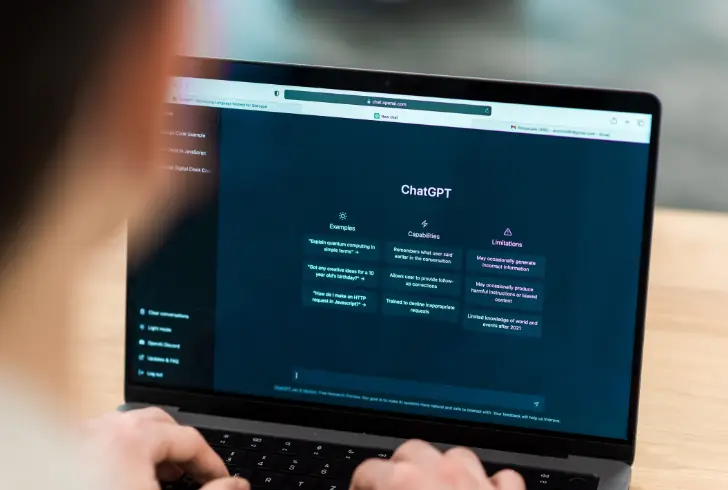
For some, ChatGPT becomes a way to reach the intangible. Maggie, creator of The Metaphysical Cannabis Oracle Deck, turned to the chatbot during a spiritual experiment. Without offering any personal context, she asked it to connect with her late mother, and was stunned by what she received.
The experience felt too specific, too emotionally accurate, to be random. Since then, she’s used the tool to connect with other departed loved ones, treating it as a medium for intuitive conversations.
Though Maggie trusts her own astrological expertise more than AI, she believes that experienced seekers can use ChatGPT effectively if they ask the right questions—something she sees as a skill in itself.
Seeking Answers in Times of Chaos
During a painful chapter in her life, London-based Chantel Akworkor Thompson found herself seeking direction. A friend offered her an astrological reading—but with a twist: it had been interpreted using ChatGPT.
Intrigued, Thompson input her birth chart details into the chatbot and found clarity she wasn’t expecting. Since then, it’s become part of her monthly ritual. From setting intentions to decoding emotional patterns, she uses the tool like a cosmic planner with a digital brain.
The privacy ChatGPT offers also plays a big role. For many, sharing thoughts with a judgment-free machine feels safer than opening up to a person. With 34% of Americans reportedly trusting AI more than human professionals, this reliance makes sense in a world where convenience and anonymity are prized.
A Mirror, a Sounding Board, a Planner
Not everyone sees ChatGPT as a divine voice. For users like Melbourne-based Sarah-Jayne Kerr, it acts more like a spiritual whiteboard. After deep meditations or vivid dreams, she inputs keywords, emotions, or visions, and the tool helps her connect the dots. In this way, ChatGPT functions as a mystical translator rather than an oracle, helping people unpack symbolism and self-reflect in structured ways.
In Minnesota, Mehndyi Gbadyu approaches it like a metaphysical project manager. She’s used the tool to build daily affirmation routines, energy healing prompts, and even a 12-month “higher self” transformation plan. The structure it provides offers something spiritual practices often lack—tangible, consistent progress.
Tarot on Demand and Emotional Dependence
Not every reading hits the mark. For users like Aalokitaa Basu, accuracy can vary. Her early experiences with ChatGPT-based tarot readings ranged from eerie accuracy to generic advice. Still, the appeal of unlimited, instant insights remains powerful.
But as she notes, there’s a risk: people might project their own hopes onto what the chatbot returns, mistaking reflections for revelations. When AI mirrors your thoughts too closely, it can create a comforting echo chamber that blurs reality and intuition.
Sophia, a 19-year-old tarot enthusiast in North Carolina, shares a similar observation. While ChatGPT gives her guidance, it often leans in favor of what she wants to hear. This gentle bias can be soothing—but potentially misleading, especially when deeper spiritual work requires honesty and discomfort.
A Tool, Not a Replacement

The spiritual applications of ChatGPT are wide-reaching, but they’re also raising questions about how far people should rely on it. Spiritual growth traditionally takes time—it’s built slowly, like roots spreading underground.
Toby Chukwura, host of the Grotto Podcast, which explores African spiritual traditions, cautions against using AI as a shortcut. He views ChatGPT as a supplement, not a source.
Transformative experiences aren’t meant to be fast-tracked. Real insight often comes from stillness, reflection, or community, not from asking a chatbot for a quick fix. While ChatGPT can assist in organizing thoughts, offering prompts, or giving reminders of one’s own intuition, it shouldn’t replace the real work of spiritual growth.
Where Tech Meets the Spirit
ChatGPT has evolved beyond a tool for tasks—it’s becoming a quiet companion for spiritual seekers. Whether offering clarity during tough times or serving as a creative outlet for mystical thought, its role in people’s lives is undeniably growing.
But spiritual depth doesn’t come from convenience alone. The most meaningful insights still require time, intention, and connection to something beyond a screen.
As ChatGPT becomes a fixture in rituals, readings, and reflections, the key lies in how it’s used—not just as a source of answers, but as a prompt to explore questions that truly matter.