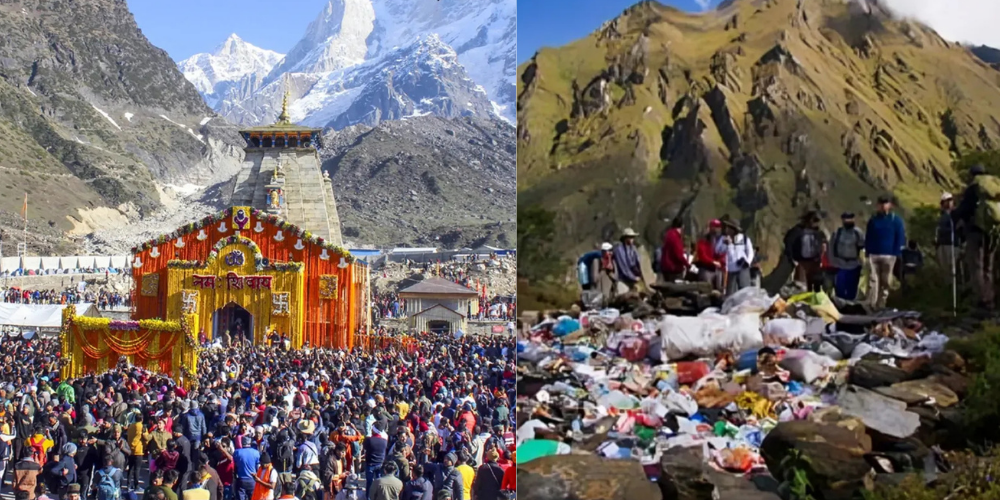

Art and spirituality have been woven together throughout human history. Together, they create a bond that resonates within the deepest parts of our being. From ancient cave paintings to contemporary abstract sculptures, art has long been a vessel for spiritual expression and exploration.
Unsurprisingly, when we immerse ourselves in a painting, song, or dance, we often feel connected to something beyond the material world. That is because art and spirituality tap into the same source: The human desire for transcendence and connection with the unknown.
The Mystical Power of Art and Spirituality
Art and spirituality share the profound ability to guide us toward deeper self-awareness. When you stand before a beautiful painting or hear a moving piece of music, you are not just observing. Instead, you are engaging with something larger than yourself.
This phenomenon happens because art speaks directly to the soul, bypassing logic and reason, touching on the emotional and transcendent. Through this connection, art becomes a mirror reflecting our spiritual journey.
The Role of Symbolism in Art
One of the most compelling aspects of art and spirituality is the use of symbolism. Symbolism in art plays a critical role in expressing spiritual ideas, emotions, and experiences. From the use of sacred geometry in ancient temples to modern abstract representations, symbols guide us toward deeper meanings.
Thus, these visual or auditory cues open up new pathways for spiritual contemplation.
Take, for instance, a painting filled with symbolic elements. The colors, shapes, and figures can evoke powerful feelings or thoughts related to your own spiritual experiences. In this way, the artist acts as a spiritual guide, leading the viewer into a journey of introspection and meaning-making.
How Music Engages the Spirit
Music, as an art form, has an undeniable link to spirituality. It is no coincidence that music has been used in religious rituals, meditative practices, and spiritual celebrations for thousands of years. The rhythmic tones and harmonies in music can stir emotions that bring us closer to spiritual understanding.
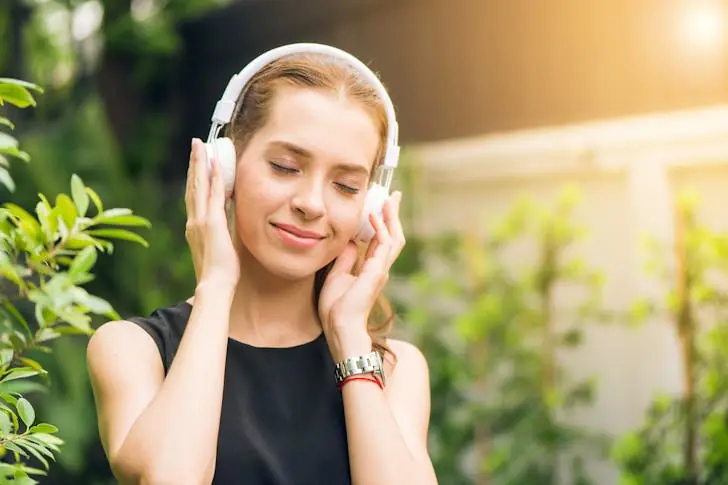
The beauty of music lies in its ability to transcend language and cultural barriers. Be it a simple melody or a complex symphony, music has the power to create a shared spiritual experience among listeners. It invites us to let go, to be fully present, and to surrender to something beyond our control. Much like the experience of connecting with the divine.
Dance Is the ‘Embodied’ Spiritual Expression
Dance is another art form that can serve as a direct bridge to the spiritual realm. In many cultures, dance is not merely performance. It is a form of worship or meditation. So, the flowing, rhythmic movements can reflect the inner movements of the soul. When we dance, we align the body with the spirit. This creates a union between the physical and the metaphysical.
Dancers often describe a sense of “losing themselves” in the movement, where the conscious mind steps aside, and something more profound takes over. So, this state of “flow” is a spiritual experience in itself.
Why Art Is a Universal Language for Spirituality
Art provides a universal language that allows people from all walks of life, cultures, and belief systems to connect with something bigger than themselves. What makes this connection so powerful is that art, like spirituality, thrives on interpretation and personal experience.
The same artwork can evoke vastly different responses from two different people, each reflecting their own spiritual journey. This personal interpretation makes art a truly unique and profound tool for spiritual exploration.