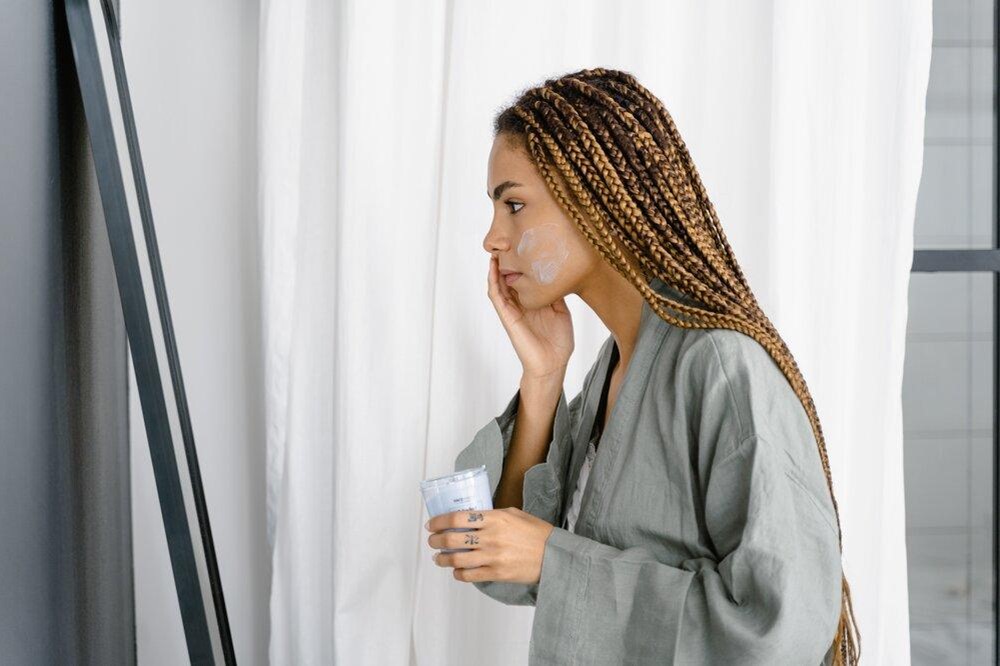
Walk down any personal care aisle and it’s hard to miss labels proudly stating “phthalate-free.” The term pops up on everything from shampoo to scented candles, often alongside other chemical-free claims. But beyond the marketing, the real question is — what exactly are phthalates, and should they be avoided?
Understanding Phthalates
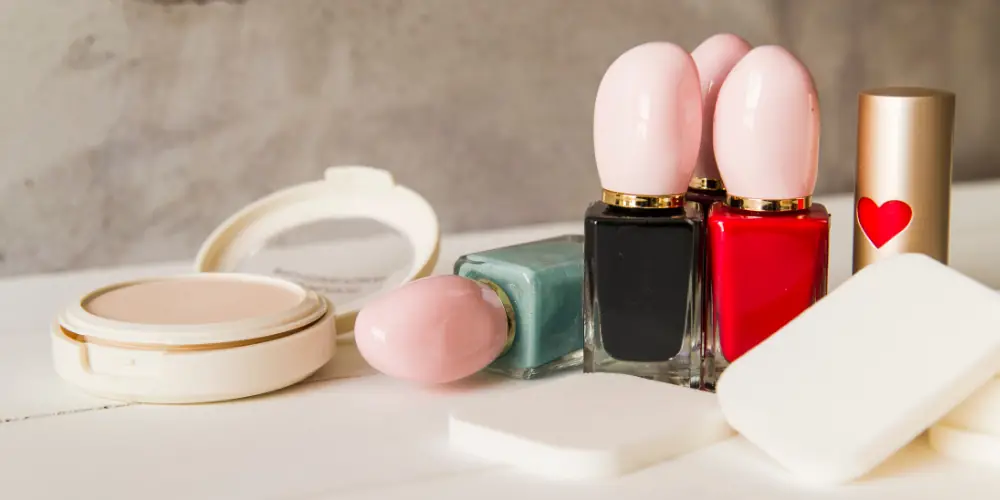
Phthalates are a group of synthetic chemicals primarily used to make plastics more flexible and durable. They also serve a role in many everyday products, including personal care items, cosmetics, and household goods. In beauty products, they can prevent nail polish from cracking, keep mascara smooth, and help fragrances last longer. Outside of cosmetics, they appear in PVC materials, flooring, shower curtains, and even certain food packaging.
Because of their chemical properties, phthalates can migrate from products into the human body. Research has shown they act as endocrine disruptors, meaning they can interfere with hormone function. This happens when phthalates bind to hormone receptors, potentially altering the body’s natural regulation systems.
Potential Health Risks
Scientific studies have linked prolonged or high exposure to phthalates with a range of health concerns. These include:
1. Hormonal imbalances
2. Reduced fertility in both men and women
3. Disruption of puberty in children
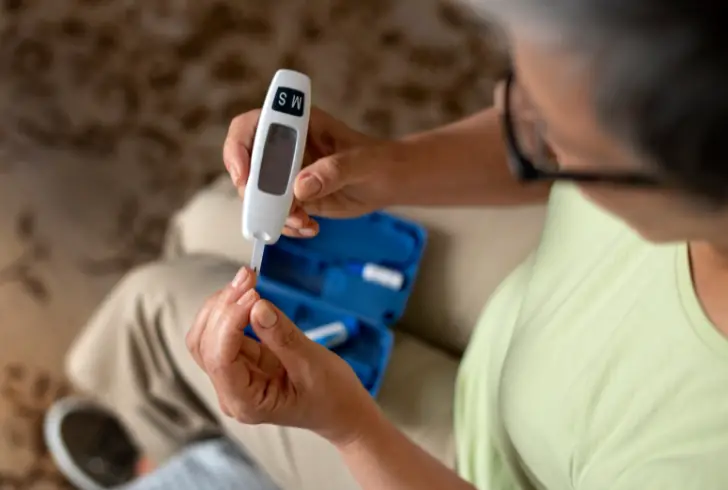
4. Increased risk of obesity and type 2 diabetes
5. Potential cardiovascular issues
While phthalates do not accumulate permanently in body tissue, traces are often detected in urine samples. Some studies suggest higher levels may even be associated with an increased risk of premature death in older adults.
Where Phthalates Are Found
Phthalates are more common than most people realize. They can be present in:
1. Nail polish, hair spray, and mascara
2. Scented products such as perfumes, air fresheners, and lotions
3. Plastic food packaging, especially for fatty meats and dairy products
4. Household vinyl materials like flooring and shower curtains
5. Medical devices made with flexible plastics
Foods can also contain phthalates if they’ve been in contact with plastic during processing or packaging. Because these chemicals are widespread, avoiding them entirely is difficult.
Regulatory Actions and Consumer Choices
Some governments have moved to limit phthalate exposure, especially in products for children. The European Union, for example, has banned several types of phthalates in toys and childcare items due to concerns about ingestion or prolonged skin contact. In the United States, certain phthalates are restricted in children’s toys and products, but many others remain in circulation.
For consumers, choosing phthalate-free products can help reduce exposure, though it is not a guaranteed solution. One challenge is that phthalates often do not appear on ingredient lists. In fragrances, for instance, manufacturers can simply list “fragrance” without disclosing the chemical components. This lack of transparency makes it nearly impossible to completely avoid them.
How Much Exposure Matters?
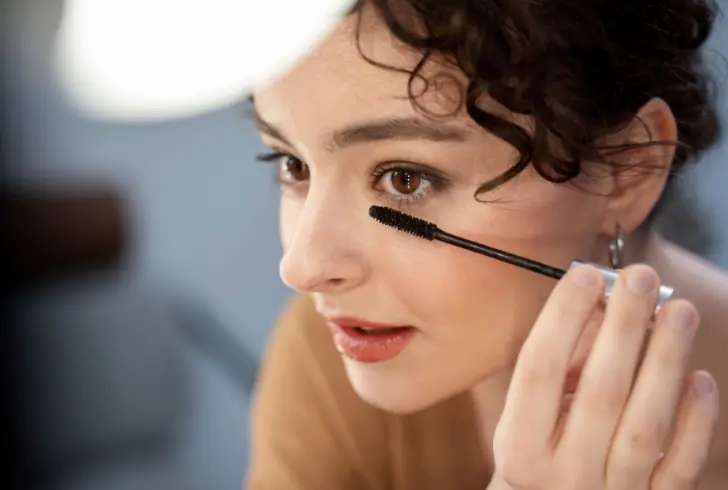
While experts agree that phthalates are not ideal for health, there is ongoing debate about the levels at which they become harmful. Most concerns stem from long-term exposure and the cumulative presence of these chemicals in the environment. Using nail polish or mascara occasionally may not be enough to cause measurable harm, but the additive effect of multiple sources over years is still being studied.
Researchers emphasize that the dose and duration of exposure play key roles. It’s the repeated contact with phthalate-containing products — combined with their presence in air, water, and food — that raises concern.
Minimizing Phthalate Exposure
Complete avoidance may not be realistic, but small changes can help lower exposure levels:
1. Select personal care products labeled “phthalate-free” when possible
2. Choose fragrance-free items or those scented with natural oils
3. Avoid microwaving food in plastic containers
4. Reduce consumption of high-fat meats and dairy packaged in plastic
5. Opt for glass, stainless steel, or silicone food storage
These steps do not eliminate risk entirely but can help limit the cumulative chemical load on the body.
Why Awareness Matters
Phthalates are deeply woven into modern manufacturing, making them difficult to escape. While science is still determining the exact thresholds for harm, their role as hormone disruptors and their widespread presence make them worth paying attention to. Understanding where they hide and how they interact with the body gives consumers the power to make more informed choices.
Being aware of phthalates is less about panic and more about balance — recognizing that while complete avoidance isn’t practical, reducing exposure where possible is a step toward better long-term health.