

When a 3,000-pound bison gored Jim Lutter on his South Dakota ranch, quick action from local medics and a remote ER doctor helped save his life. New ambulance telehealth technology let the doctor guide treatment 140 miles away as medics rushed Lutter to the closest hospital.
Lutter’s severe, bloody wounds required capabilities beyond what rural medics often have – but videoconferencing put a trauma expert inside the ambulance. It likely made the difference between life and death for the 67-year-old rancher.
Jim Lutter – Gored by Pet Bison on South Dakota Ranch
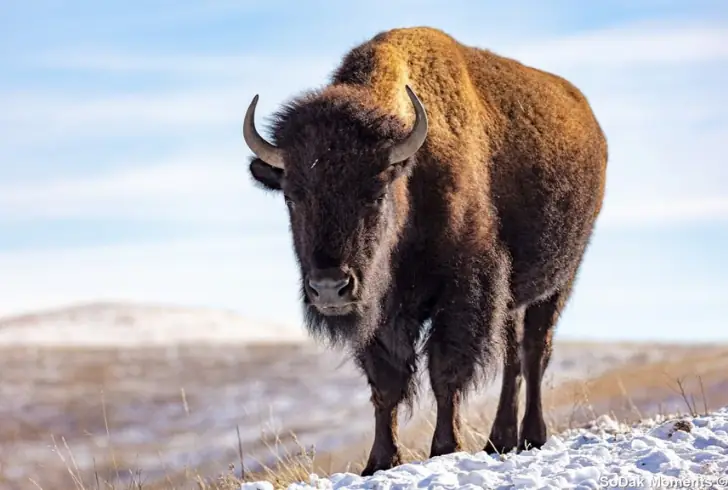
Lutter manages a hunting lodge and raises over 1,000 bison with his wife Cindy in Gann Valley, South Dakota. The town of 12 sits east of the Missouri River.
Last December, Lutter entered a pen to check on a sick calf. A 3-year-old bull named Bill, who was “like a family pet,” charged at him.
“We raised him from a tiny calf, and I always told everybody he thinks I’m his mother. He followed me everywhere,” Lutter said.
The massive animal hooked Lutter with his horns and tossed him into the air. The bison then gored his groin.
Lutter escaped and used a tractor-like front-end loader to drive to his brother Lloyd’s house. He left trails of blood in the snow. The extreme pain hit once Lloyd pulled him from the vehicle to call 911.
Rural Ambulance Services Under Pressure
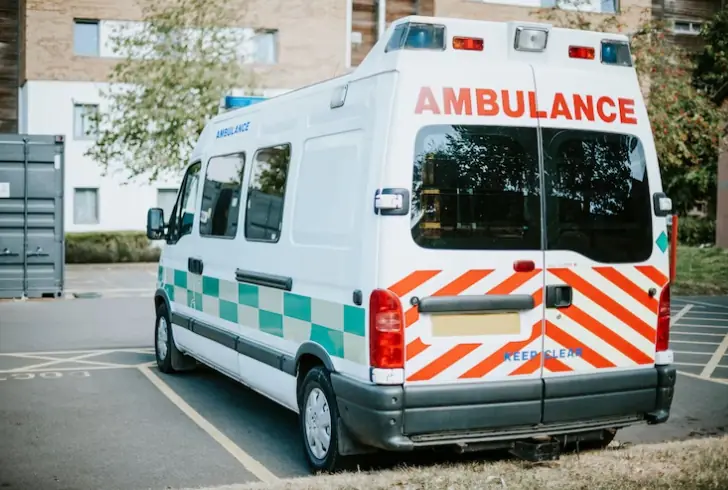
Most rural ambulance crews have limited medical experience compared to urban medics. That’s because it’s difficult for small towns to finance and staff ambulance services.
Medic Ed Konechne was managing a hardware store when the emergency call came over the radio. He hurried two blocks to the volunteer fire station and jumped into the back of the ambulance that was heading to Lutter.
“I opened the side door of the van where Jim was and saw the look on his face. It’s a look I’ll never forget,” Konechne said.
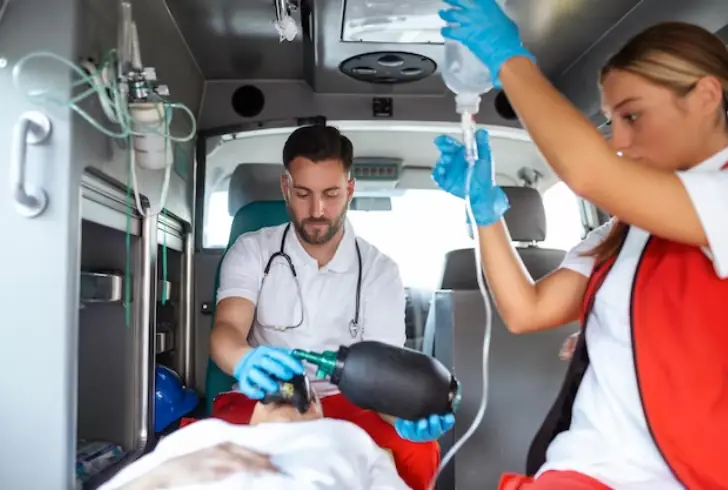
Emergency medicine physician Dr. Katie DeJong was working at the Avel eCare telehealth center in Sioux Falls. She appeared on video screens inside the ambulance when medics called for help treating Lutter’s wounds.
“What? A Bison Did What?” DeJong Remembers Thinking
Seeing Lutter’s dire condition via video, she advised medics to help him breathe with a collapsed lung. DeJong told the ER staff at the closest hospital to prepare for Lutter’s arrival. She also dispatched a helicopter to airlift him to a trauma center.
The digital doctor guided so Konechne could focus on Lutter. DeJong handled medical notes, vitals, and hospital communications.
Telehealth Inside Ambulances Saves Lives
The video consulting capability came from South Dakota’s new Telemedicine in Motion program. It provides funding to install telehealth equipment in ambulances across the rural state.
Avel eCare runs the initiative using $2.7 million in state and federal pandemic funds. The company installs the video technology and trains ambulance crews on using it. Then Avel makes doctors available 24/7 to respond to calls.
Rural ambulance “deserts” where people are more than 25 minutes from help exist in 84% of U.S. counties, per a Maine study. Prompt emergency care can be hard to come by in remote areas.
Telehealth inside speeding ambulances augments limited medical skills often found in small-town emergency response. It saves lives when minutes matter most.
The national trend of adding telehealth to ambulances is beginning. South Dakota’s partnership between first responders and Avel eCare appears to be the first statewide program.
ER Doctor Orchestrates Lutter’s Life-Saving Treatment
When the ambulance arrived at the hospital in Wessington Springs, Dr. DeJong had already prepped staff on Lutter’s injuries and needs. Tests showed he had a collapsed lung, broken bones, and major blood loss.
DeJong arranged for a helicopter to airlift Lutter to a trauma center in Sioux Falls once he was stabilized. Her early planning guaranteed the quickest treatment route.
The 25 extra miles to the small town hospital helped get Lutter patched up enough to survive the longer flight to Sioux Falls. ER nurse practitioner Sara Cashman said the advance warning from Dr. DeJong allowed full preparation to care for Lutter’s extensive injuries.
In Sioux Falls, Lutter underwent emergency surgery and stayed in the hospital for about a week. The bison’s horns left him with 16 broken ribs, a ripped scalp, and a deep puncture wound near his groin.
“That’s exactly what it was. Like packing a muzzleloader and you take a rod, let’s poke that in there,” Lutter said, comparing wound care to loading an antique rifle.
Telehealth Program Speeds Life-Saving Treatment
The life-saving technology in the ambulance that day became available weeks earlier through Telemedicine in Motion. South Dakota launched the initiative in fall 2022 to expand mobile telehealth.
So far, 75 of the state’s 122 ambulance services have installed the equipment, and another 18 states plan to do so soon. The Avel eCare system has been utilized around 700 times already.
The initial state funding ended in April 2023. Now, ambulance providers must decide whether to pay Avel to continue the service or not. The video consulting comes at no extra cost to patients.
Medic Ed Konechne credits the quick access to Dr. DeJong with giving rancher Jim Lutter the best care imaginable under the circumstances.
DeJong’s guidance allowed Konechne to completely focus on Lutter’s injuries. Without the doctor present, the volunteer EMT could have become overwhelmed.
Telehealth that rides along inside speeding ambulances fills gaps in rural emergency care. In South Dakota and beyond, it saves lives when minutes matter most. The innovative approach promises to become a standard part of EMS response, especially in remote areas.