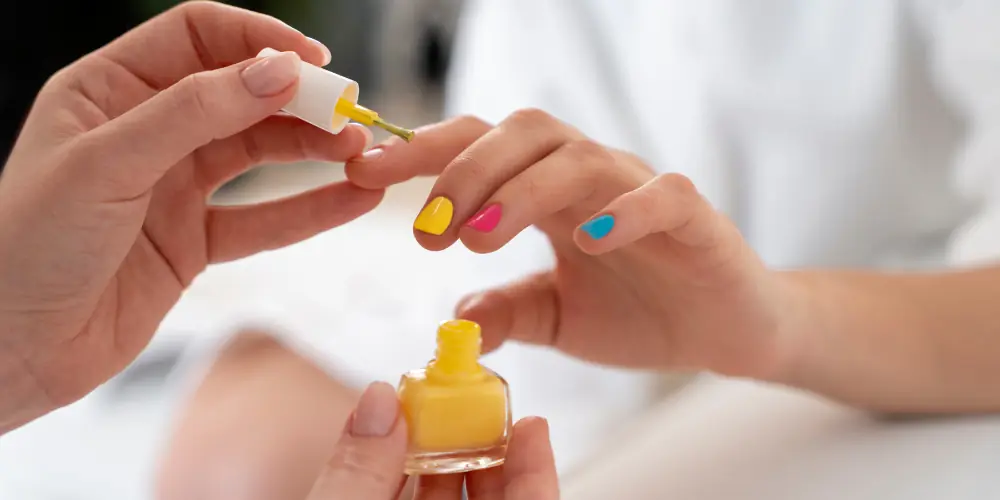
Gel manicures are known for their glossy finish and long-lasting wear, but one ingredient commonly found in certain products has been restricted in Europe.
Regulators in the European Union have officially banned the use of trimethylbenzoyl diphenylphosphine oxide (TPO), a chemical used in some gel nail polishes and cosmetics.
The decision comes after experts classified TPO as a reproductive toxicant.
Why TPO Was Banned
TPO acts as a photoinitiator, which means it helps gel polish harden under ultraviolet light. This process creates the durable finish many people appreciate after a salon visit. However, studies conducted on animals linked TPO exposure to reduced fertility and testicular abnormalities. Based on these findings, EU officials decided that products containing the chemical should no longer be sold, supplied, or used across member states.
The restriction does not outlaw gel polish entirely. Instead, it focuses solely on products formulated with TPO. Gel manicures remain available in Europe as long as brands use approved alternatives.
Impact on Salons and Consumers
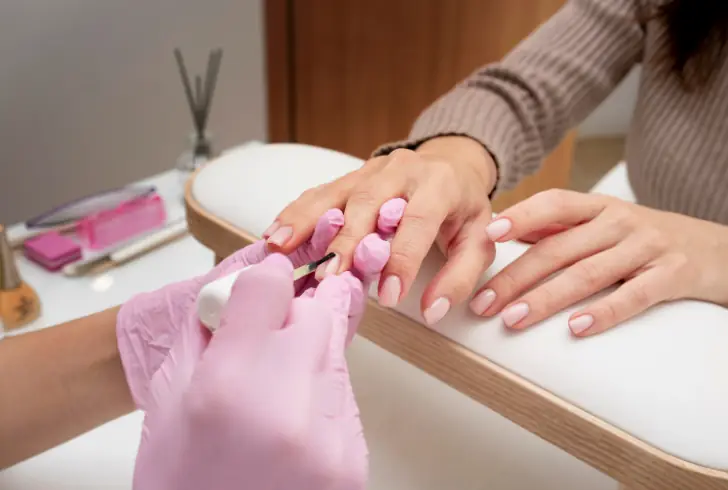
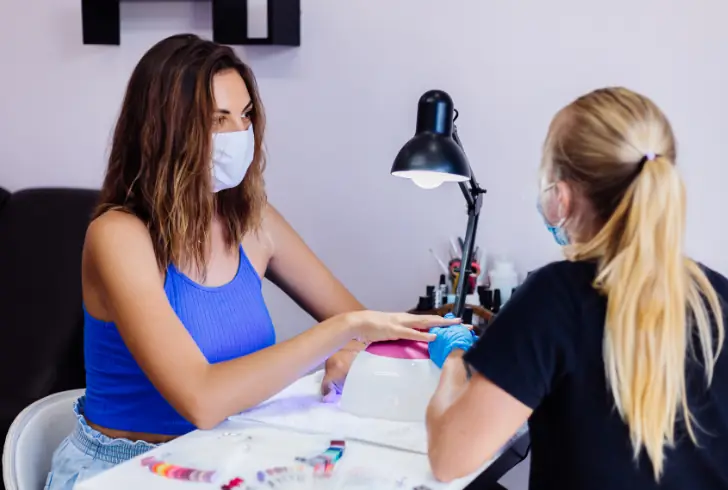
Gel polish often appeals to clients because of its durability, quicker drying time, and smooth texture compared to traditional nail polish. Products containing TPO are mostly used in professional settings since the curing process requires a UV lamp. This raised concerns not only for regular salon-goers but also for workers with repeated exposure.
Advocacy groups, including the Environmental Working Group, highlight that the risk is higher for professionals and frequent users. For casual consumers, the exposure route differs from the studies conducted, as nail polish is not ingested. Experts emphasize that the risk for occasional users is relatively low, though the shift to alternatives is a safer step forward.
Alternatives Already in Place
Several manufacturers have already moved toward reformulating products without TPO. Some brands were using different photoinitiators even before the restriction took effect. That means safer options are available both for professional and at-home users.
Traditional nail polish also remains a reliable choice. While it does not last as long as gel options, it has been in use for over a century and carries a long track record of safety. For those who prefer gel finishes, asking salons about the products they use can help ensure TPO-free alternatives are chosen.
How Regulations Differ Between Regions
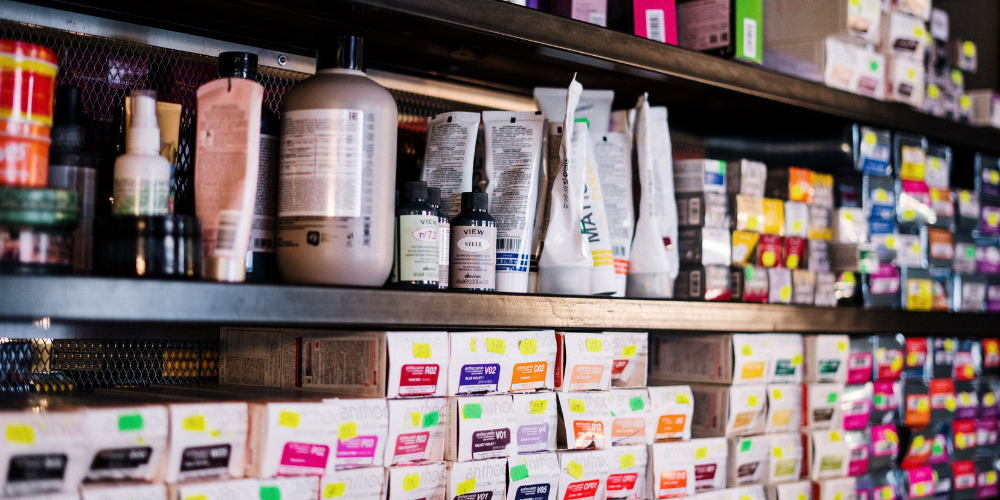
One key reason this decision has gained attention is the difference between European and American cosmetic regulations. In the EU, cosmetic products and their ingredients face stricter oversight, and substances with health risks are often restricted or banned.
In the United States, the Food and Drug Administration does not require pre-approval for cosmetic ingredients, except for color additives. Manufacturers are legally responsible for ensuring safety, but enforcement often happens only after issues arise. Because of this, ingredients like TPO remain available in American products.
State-level bans may still occur. In recent years, states such as California have introduced their own restrictions on chemicals used in cosmetics. Industry experts suggest that while a nationwide FDA ban on TPO is unlikely, individual states may follow Europe’s lead and enforce their own rules.
The Future of Safer Nail Care
The European ban on TPO is expected to drive more companies to reformulate their products. As demand for safer cosmetics grows, alternatives to TPO will likely become the new industry standard.
Consumers who enjoy gel manicures do not need to worry about losing access to them. The restriction applies only to one ingredient, not the entire product category. Salons and manufacturers will adapt by using safer formulations that meet regulatory standards.
While TPO made gel manicures possible, research linking it to reproductive harm has pushed the industry toward safer practices. For consumers, this change provides reassurance that the products used on their nails will continue to deliver beauty while meeting higher safety standards.