
Emotions are an intricate tapestry that weaves through every aspect of our lives, influencing our mental and physical well-being. One intriguing and often overlooked aspect of this connection is the impact of crying on the skin.
While tears are commonly associated with emotional release, their effects on the skin are profound and can provide insights into the intricate relationship between our emotional and physiological selves.
The Science Behind Tears and Skin: A Closer Look

Tears are not uniform; they consist of different types with distinct purposes. Reflex tears are the body’s response to irritants, such as dust or chopping onions. Basal tears are ever-present to keep the eye moist, while emotional tears are triggered by sadness, joy, or frustration. It is the emotional tears that intrigue researchers when it comes to their potential impact on the skin.
The composition of emotional tears is different from reflex and basal tears. Emotional tears contain higher levels of stress hormones, such as adrenocorticotropic hormone (ACTH) and leucine-enkephalin, an endorphin that acts as a natural painkiller.
These hormones are indicative of the emotional release experienced during crying. Emotional tears also contain lower potassium and manganese levels than reflex tears. This unique composition raises questions about their potential effects on the skin.
Crying and Skin Health: The Connection Explored
Stress and Inflammation:
Stress hormones are pivotal in the body’s “fight or flight” response, triggering physiological changes. When stress becomes chronic, it can lead to inflammation linked to various skin conditions, including acne, eczema, and psoriasis. Releasing stress hormones through emotional tears could contribute to this inflammatory response, potentially exacerbating skin issues.

Endorphin Release and Pain Perception:
Leucine-enkephalin, the endorphin found in emotional tears, is known to have pain-relieving properties. While this endorphin can offer temporary relief, prolonged stress and emotional distress might manifest in physical symptoms such as skin sensitivity or worsening existing skin conditions.
The Role of Manganese and Potassium:
The lower levels of manganese and potassium in emotional tears raise intriguing questions about their role in skin health. Manganese is essential for collagen formation, a protein vital for maintaining skin elasticity.
Potassium, however, is necessary for maintaining proper hydration levels within skin cells. The reduced levels of these minerals in emotional tears might indirectly affect the skin’s overall health and appearance.
Mind-Body Connection: Bridging Emotional Wellness and Skin Health
Understanding the impact of crying on the skin underscores the intricate relationship between emotional well-being and skin health. The mind-body connection is a powerful force that can shape our experiences internally and externally. Here’s how nurturing this connection could contribute to healthier skin:
Stress Management:
By acknowledging and addressing emotions, we can manage stress more effectively. Stress-reduction techniques like mindfulness, meditation, or yoga can help regulate stress hormones and potentially mitigate their impact on the skin.

Healthy Coping Mechanisms:
Instead of bottling up emotions, expressing ourselves through crying can be a healthy emotional release. It’s important to recognize that emotional tears are not a sign of weakness but rather a natural mechanism for emotional regulation.
Balanced Lifestyle:
Prioritizing a balanced lifestyle that includes proper nutrition, hydration, exercise, and sleep can positively influence emotional well-being and skin health. Adequate intake of minerals like manganese and potassium through a well-rounded diet can contribute to optimal skin function.
Skincare Rituals:
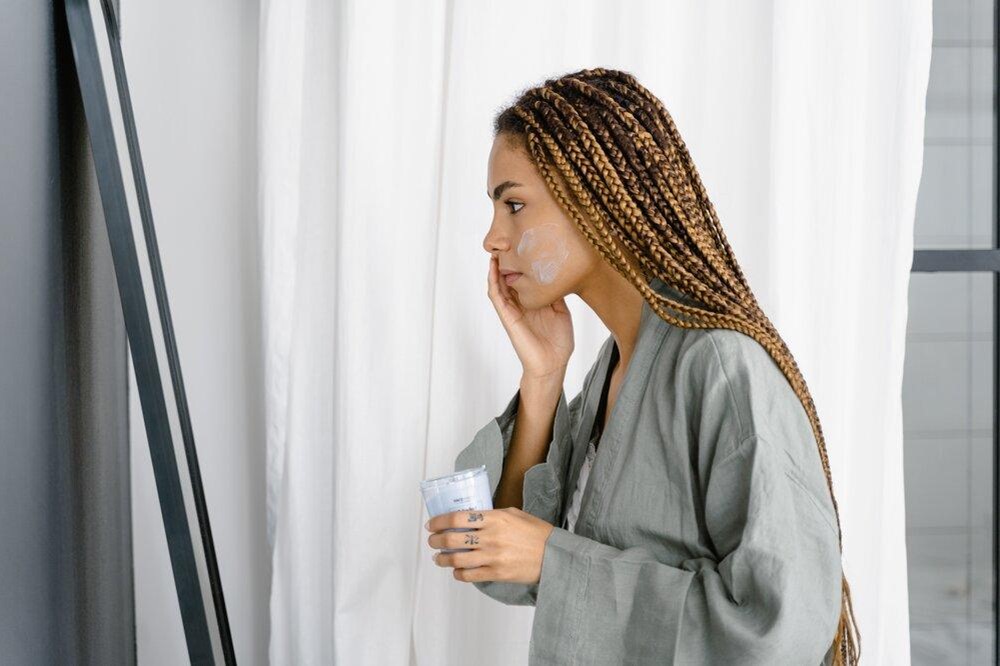
Incorporating skincare routines that emphasize hydration, protection, and gentle cleansing can help maintain the skin’s natural barrier. Applying moisturizers enriched with nutrients like manganese or using products that reduce inflammation can be particularly beneficial.