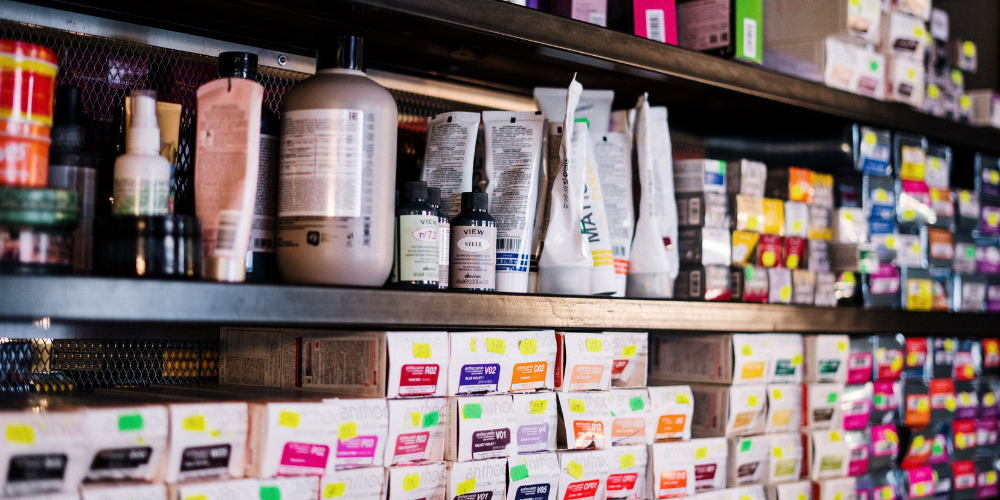
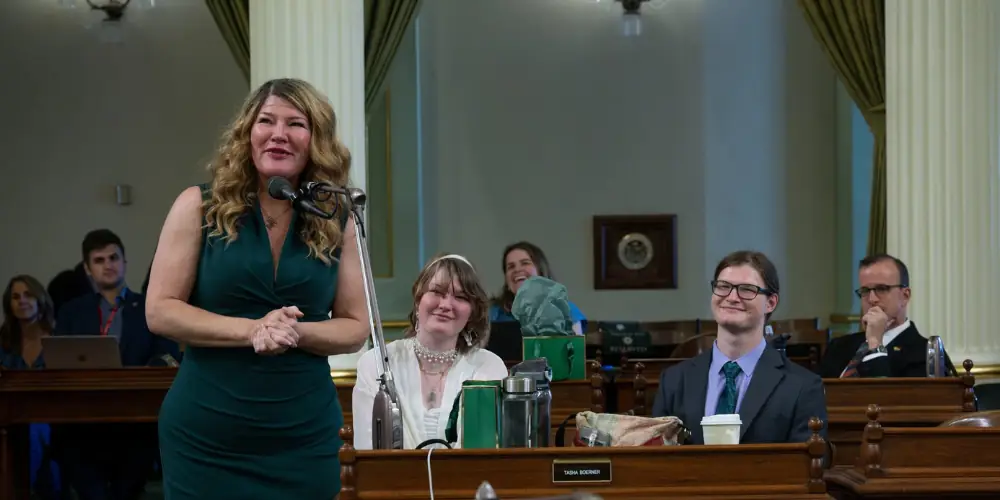
California is gearing up to become the first state in the U.S. to completely ban plastic microbeads in all personal care and cleaning products. Assembly Bill 823, championed by Assemblymember Tasha Boerner of Encinitas, recently passed the Senate Environmental Quality Committee with unanimous support (7-0).
This bold legislative move targets leave-on cosmetics, household cleaning supplies, and glitter-based personal items, setting a phased timeline for their removal from shelves—microbeads by 2029, and plastic glitter by 2030.
Why the Ban Matters
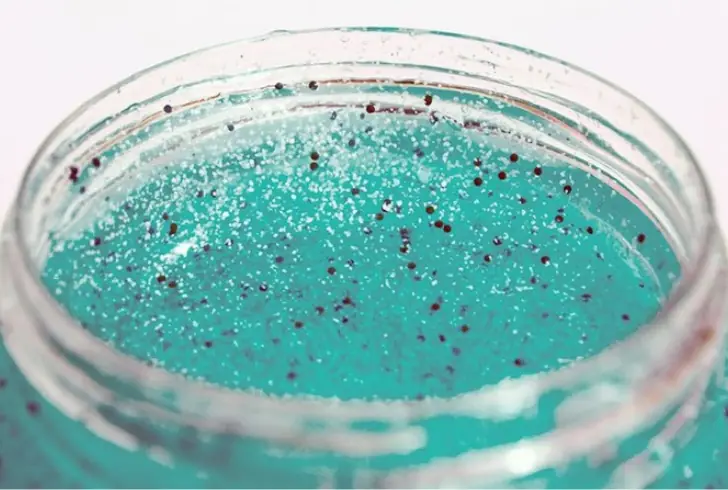
Plastic microbeads—tiny particles often added to exfoliants, lotions, and cleaning agents—are not just a harmless additive. Once washed down the drain, they easily slip through water filtration systems, ending up in rivers, oceans, and even drinking water.
Recent studies have discovered these particles in alarming places:
– Human lungs
– Bloodstreams
– Brain tissue
– Placentas
And they’re not just an environmental issue. These microscopic plastics have been linked to severe health problems including reproductive disorders, cancers, and cognitive impairments. The health risks, paired with their environmental impact, make them a major concern across scientific, environmental, and public health communities.
Legislative Details of AB 823
AB 823 sets clear deadlines:
By January 1, 2029 – Personal care and cleaning products with plastic microbeads will no longer be allowed for sale in California.
By January 1, 2030 – Personal care items containing plastic glitter will also be banned.
The bill is supported by leading advocacy organizations including:
– 5 Gyres Institute
– Clean Water Action
– Californians Against Waste
– Breast Cancer Prevention Partners
The ban doesn’t just focus on environmental safety; it’s also a move to reduce economic stress caused by costly water treatment processes needed to remove microplastics.
Industry and Advocacy Support
Support for this ban extends across the board, with both consumer protection advocates and environmental experts speaking out.
Alison Waliszewski from 5 Gyres Institute emphasized that AB 823 helps close critical gaps in California’s current microbead legislation from 2015, which only applied to rinse-off products. The updated bill levels the playing field for businesses by mandating the switch to safer, already available alternatives.
Andria Ventura of Clean Water Action emphasized the high cost of filtering plastics from water sources and pointed out that stopping microplastics at their source offers the most cost-effective solution for both ratepayers and municipalities.
Nancy Buermeyer from Breast Cancer Prevention Partners explained that microplastics increasingly show up throughout the human body, making it critical to reduce exposure. Removing them from everyday products provides a direct and effective way to lower the associated health risks.
Krystal Raynes of Californians Against Waste pointed out that safe, plastic-free options already exist—making continued use of toxic microbeads both outdated and irresponsible.
What Makes AB 823 Different
California’s 2015 ban on rinse-off microbeads was a pioneering move, but it left several loopholes. AB 823 addresses those oversights by including:
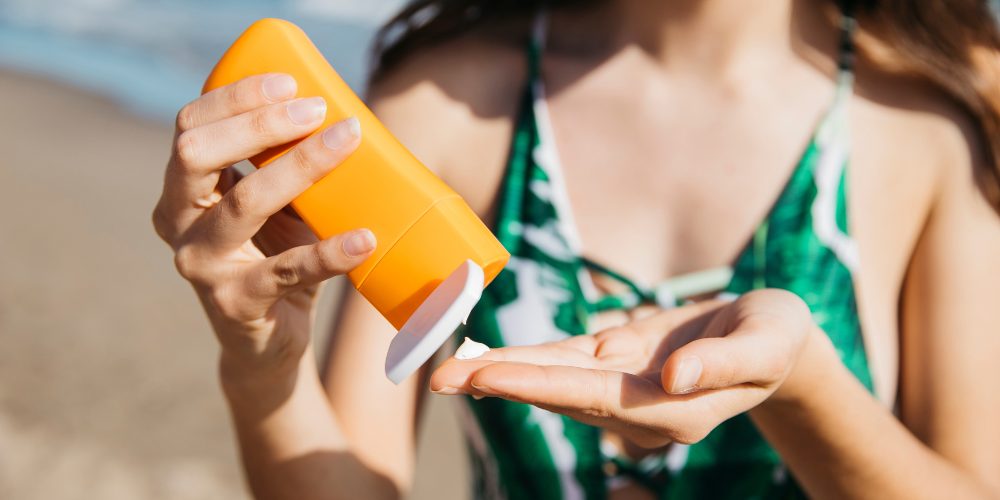
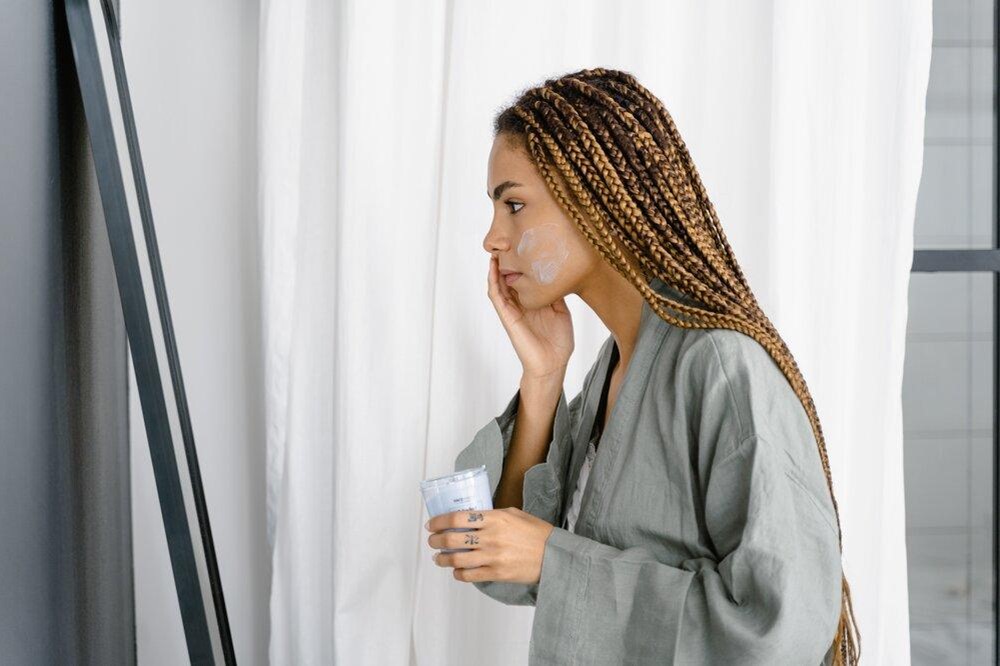
1. Leave-on cosmetics like moisturizers and sunscreens
2. All-purpose household cleaners
3. Decorative personal care items with plastic glitter
The broader scope sets a precedent for future legislation nationwide and could spark similar actions in other states.
A Clear Path Toward Safer Products
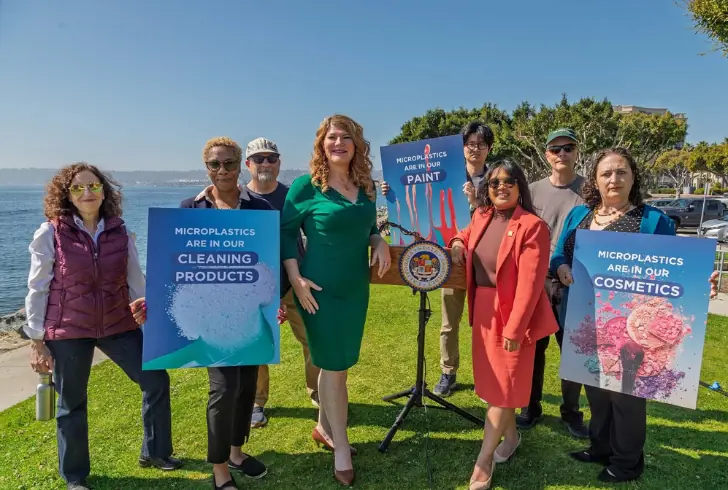
With microplastics now being linked to cellular damage and potential disruptions in hormone function, California’s latest move signals a strong commitment to both environmental responsibility and public health.
The ban outlined in AB 823 isn’t just forward-thinking—it’s necessary. The legislation promotes innovation in the cosmetics and cleaning product industries while protecting people and ecosystems from long-term harm.
A Step Toward a Cleaner Future
California is once again leading the way with new laws that support science, health, and the environment. The state’s Senate Environmental Quality Committee has passed AB 823, a bill that would ban plastic microbeads and glitter. If signed into law, it will become the strongest statewide ban of its kind.
This move sends a clear message: microplastics have no place in everyday products. For other states, AB 823 provides a model that puts public health and safety first. A plastic-free future starts with bold action—and California has taken the first step.