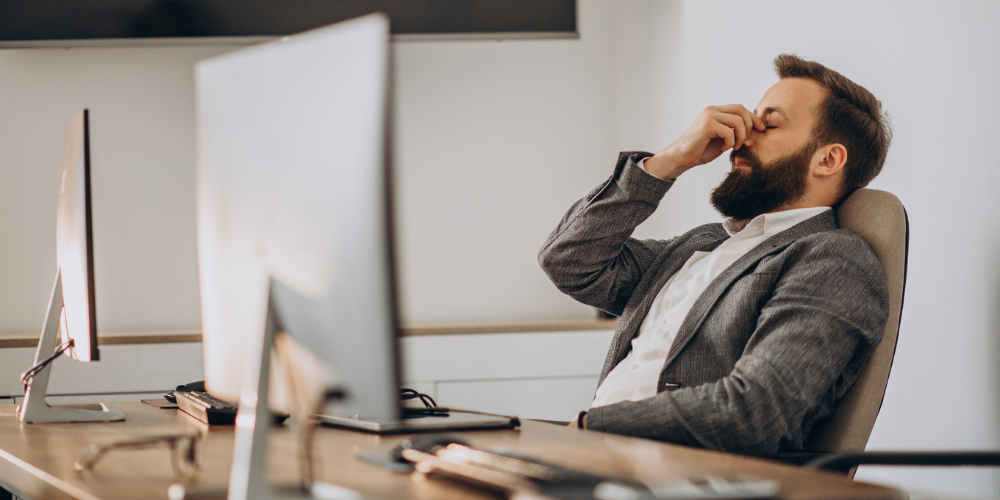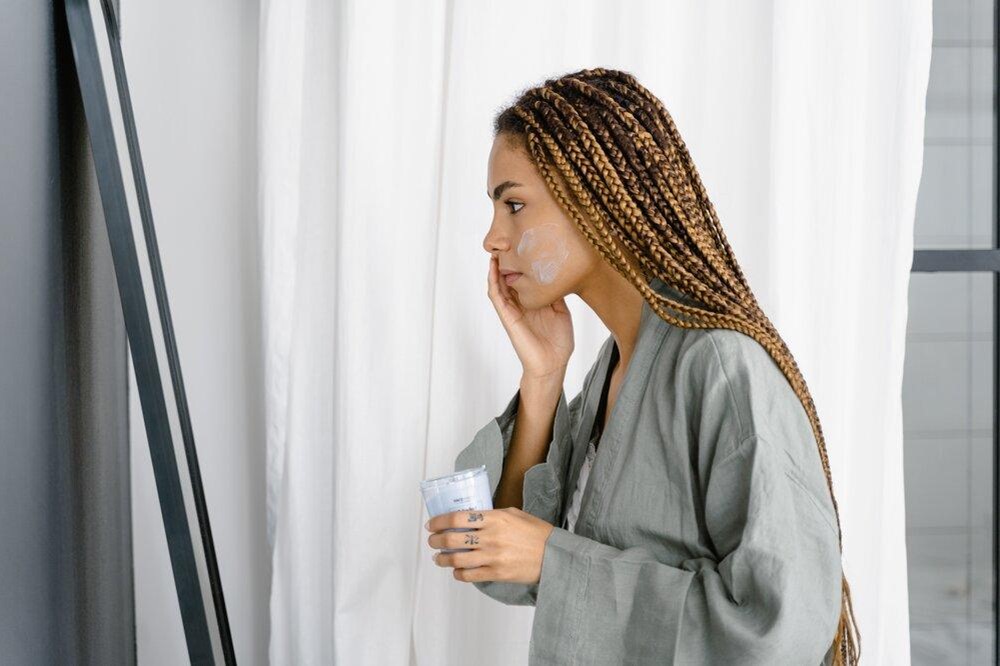
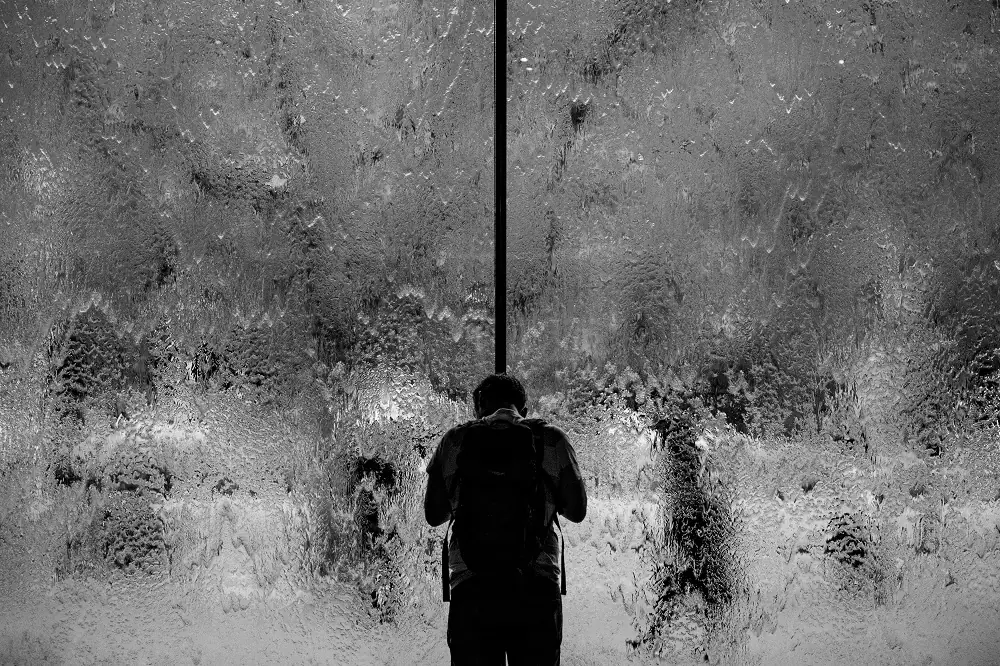
Art is a powerful tool that can help improve mental health. Creative activities can reduce stress, anxiety, and depression while promoting well-being. Art therapy is an increasingly popular form of treatment that combines the benefits of art and psychotherapy to help individuals cope with various mental health conditions. Here are some ways that art can improve mental health:
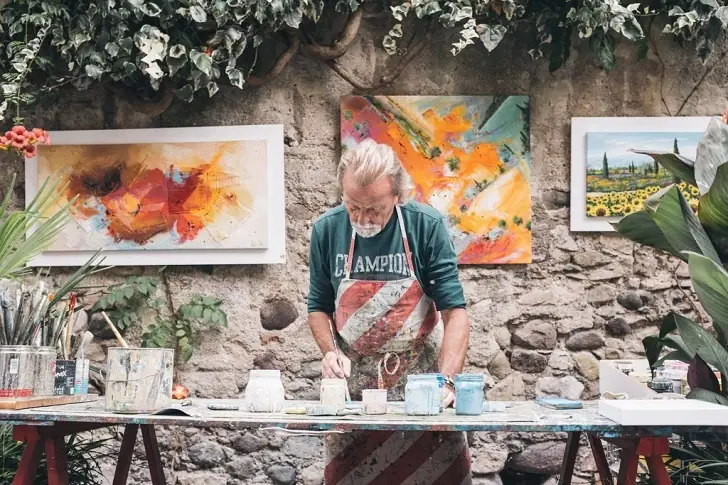
Provides an Outlet for Self-Expression
Art provides a way for individuals to express their emotions and experiences nonverbally. This can be particularly helpful for individuals struggling to articulate their feelings or discuss their problems.
Boosts Self-Esteem and Confidence
Creating art can be a source of accomplishment and validation, which can help individuals build self-esteem and confidence. Seeing their work on display or receiving positive feedback from others can be a powerful motivator to continue creating and trying new things.
It Provides a Sense of Control
Engaging in creative activities can provide a sense of control and agency over one’s life. This is particularly important for individuals who struggle with mental health conditions that can leave them powerless or out of control.
Encourages Social Connection
Art can be a social activity that brings people together and fosters community. Participating in art classes or workshops can provide opportunities for social connection and support, which can be especially beneficial for individuals who struggle with loneliness or isolation.
Fosters Resilience
Creating art can be a way for individuals to cope with difficult emotions or experiences and build resilience. Creating art can be a form of problem-solving and help individuals find new ways of thinking about and approaching their challenges.
Enhances Problem-Solving Skills
Creating art requires problem-solving skills, such as planning, decision-making, and adapting to unexpected changes. These skills can be transferable to other areas of life and help individuals feel more confident and capable of solving problems.
Improved Coping Skills
Art can be used as a coping mechanism to deal with difficult emotions or situations. Individuals can learn healthy coping skills and find new ways to manage stress and anxiety by engaging in art-making.
Incorporating technology into art therapy can also provide additional benefits. Digital art tools, for example, can provide a more accessible and flexible way for individuals to engage in creative activities. Virtual reality technology can create immersive and interactive art experiences that can help individuals to explore and process difficult emotions in a safe and controlled environment.
In conclusion, art can be a powerful tool for improving mental health. It provides a creative outlet for self-expression, reduces stress and anxiety, boosts self-esteem and confidence, promotes mindfulness, provides a sense of control, encourages social connection, and fosters resilience.
Incorporating technology into art therapy can provide additional benefits and make creative activities more accessible and flexible for individuals seeking mental health support.