
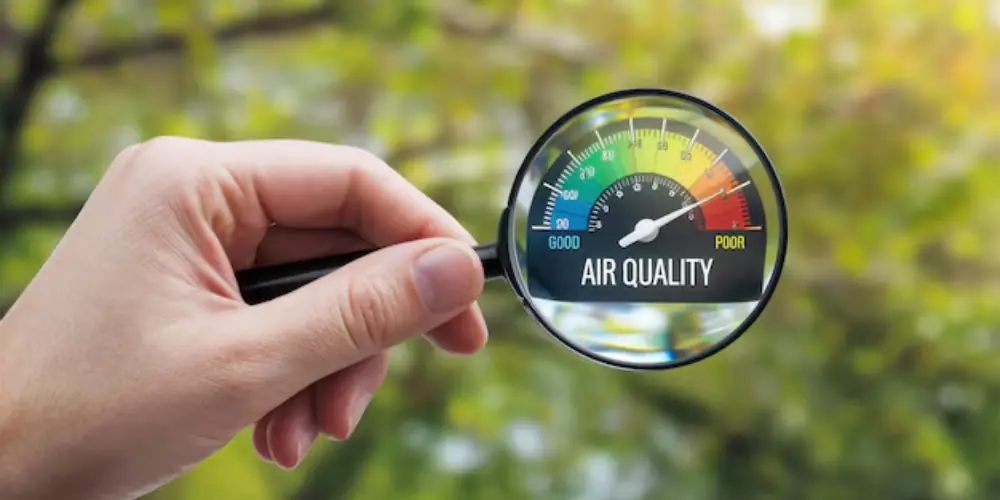
Outdoor air quality changes quickly, and the difference between clean and harmful air can be striking. A pollution monitor may show safe levels in the countryside, then climb steadily in suburbs, and reach unhealthy readings in busy city streets.
For people concerned about long-term health, knowing how to read air quality correctly is critical. Experts stress that monitoring exposure is essential because pollution contributes to diseases that often appear on medical records as something else—like heart disease or cancer.
Why Air Quality Directly Affects Health
Outdoor pollution has been linked to millions of deaths every year worldwide. Researchers have shown that it carries greater health risks than many other environmental toxins, including pesticides or plastics. The major issue is particulate matter (PM2.5). This fine dust is about 30 times thinner than a human hair, and it travels deep into the lungs and bloodstream.

Exposure to PM2.5 is linked to heart problems, strokes, lung damage, and even neurological conditions. In fact, a study found that dementia risk increases by 17% for every additional 10 micrograms of PM2.5 in the air. That amount is roughly equal to the average roadside reading in a city like London.
Even relatively short exposures can make existing conditions worse. After a fossil fuel plant in Pittsburgh closed, hospital visits for childhood asthma dropped by more than 40% in just one month. That’s how immediate the effects can be.
Why Tracking Air Quality Is Complicated
Most people rely on the Air Quality Index (AQI) to know whether it’s safe to be outside. The U.S. Environmental Protection Agency (EPA) offers one of the most widely used systems, with daily updates available through AirNow. However, several other providers like AccuWeather and PurpleAir also track and forecast AQI, often with conflicting results.
These differences occur because each group gathers data from different sensors, then converts that data into AQI values. While the EPA relies on high-grade monitoring stations, companies like PurpleAir depend on user-installed sensors, which may vary in accuracy. AccuWeather, on the other hand, feeds billions of data points into machine learning models to forecast pollution levels.
Wind speed and direction also complicate matters. A gust can suddenly push polluted air into a region, or clear it away entirely. Sunlight can trigger chemical reactions that worsen ozone levels. Seasonal conditions matter as well, with pollutants behaving differently in summer versus winter.
This unpredictability makes AQI more of a sketch than a complete picture. It shows the dominant pollutant at a given time, but rarely the entire mixture people are actually breathing.
The Most Reliable Pollution Detectors
EPA’s official stations remain the gold standard for accuracy. AirNow uses these readings to calculate AQI in real time and forecasts air quality for the next day. These stations provide excellent regional coverage during large events, like wildfire smoke drifting across several states.
But there’s a drawback. Because building and maintaining these monitors is expensive, they are often missing in smaller towns or newly populated areas. That leaves gaps in localized reporting.
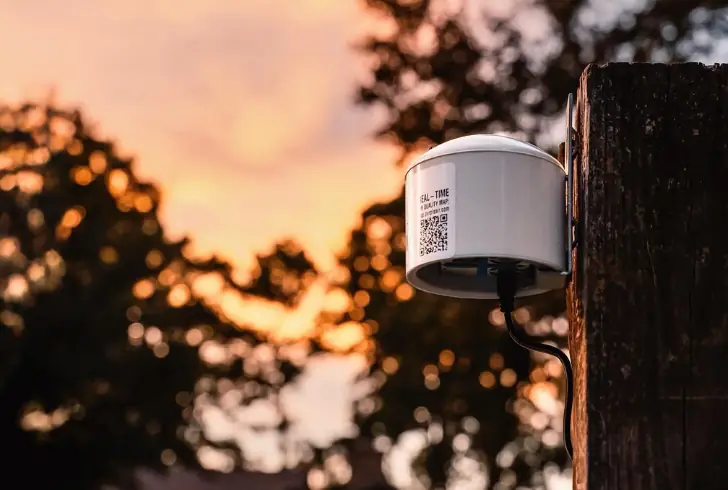
This is where PurpleAir fills in the blanks. Its community-powered network relies on people who install personal sensors. The data appears on a live online map, showing street-level changes such as pollution spikes from a traffic jam or trash burning nearby. Families dealing with asthma often find this hyperlocal detail helpful.
Still, quality varies. Sensors cost less than $300, but their accuracy depends on placement, maintenance, and weather conditions. They also tend to be less common in low-income communities, where pollution may be especially high.
AccuWeather takes a different approach. Its forecasts combine traditional data with artificial intelligence, crunching over 70 billion points every hour. This allows it to predict hourly AQI values for specific cities and towns. While useful, forecasts can still be disrupted by sudden changes in wind or temperature.
The Problem of Standards
Another complication is that AQI thresholds are not standardized. The EPA flags air as unhealthy when PM2.5 rises above 35.5 micrograms. The World Health Organization (WHO) uses a stricter limit of 15 micrograms. AccuWeather aligns with WHO standards, which is why one app may show air quality as “fair” while another calls it “good.”
Even color codes differ. AirNow uses green for safe, yellow for moderate, and orange for unhealthy. Some experts believe green should be eliminated because no level of pollution is truly harmless over time. Both the EPA and WHO now set much lower yearly averages—9 micrograms and 5 micrograms, respectively—because consistent long-term exposure matters as much as short-term spikes.
How to Use Air Quality Readings in Daily Life
Since no single AQI tells the full story, experts recommend using several sources together. A combined approach can help people make healthier choices day by day.
A Practical Five-Step Strategy
1. Subscribe to AirNow alerts. Their EnviroFlash emails notify people when major events like wildfires are worsening regional air.
2. Track local sensors. PurpleAir and IQAir maps show neighborhood-level trends. A personal monitor can also help, though accuracy is limited.
3. Watch your surroundings. Learn to link pollution with patterns you can observe. For example, subway rides often coincide with higher exposure, while summer afternoons are more polluted than evenings.
4. Check hourly forecasts. Apps like AccuWeather help plan outdoor activities, but conditions can change quickly, so refresh frequently.
5. Reduce overall exposure. The goal is not just to avoid extreme spikes but to keep long-term averages lower. Indoor air purifiers, electric stoves, and reducing car use can make a real difference.
Noticing Environmental Cues
Practical observation remains valuable. Pollution often peaks near busy roads, then drops a mile away. Trees and greenery may help disperse pollutants, though results depend on species and density.
Rain tends to wash particles away, while cold winter mornings can trap pollution close to the ground. Recognizing these patterns, combined with AQI tools, gives a clearer sense of when and where outdoor air is riskier.
Creating Safer Breathing Spaces
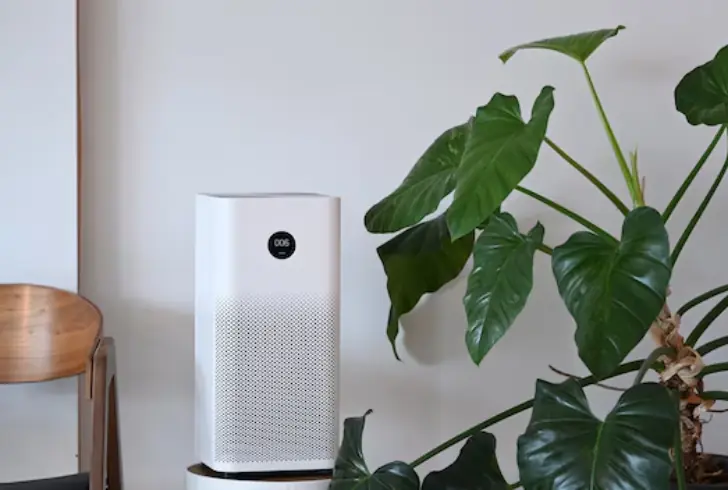
While people spend about 90% of their time indoors, outdoor air still finds its way inside. That’s why indoor solutions matter as much as outdoor awareness. High-quality air purifiers can significantly reduce PM2.5 exposure in homes and vehicles, and switching from gas to electric stoves lowers harmful emissions like benzene.
Outdoor air pollution is complex and changes by the hour and location. People can make informed decisions about outdoor activity by monitoring multiple AQI sources, using local sensors, and checking forecasting apps. Limiting time outside on high-AQI days and maintaining clean indoor air can help reduce overall exposure and long-term health risks.
The science is clear: every reduction in air pollution matters. Protecting health requires attention not just during extreme events like wildfires, but also in daily routines. With smarter choices, it’s possible to breathe easier even when the air outside isn’t perfect.