

National parks are more than just breathtaking landscapes. They are a massive economic engine. In 2023, visitors spent an estimated $26.4 billion in towns and communities near these parks. This spending supported over 415,000 jobs and pumped nearly $56 billion into the U.S. economy.
The numbers prove that national parks are not just about nature. They are a financial force. Millions of tourists visit these sites, spending on hotels, restaurants, transportation, and local attractions. This economic boost keeps small businesses alive and creates steady employment in gateway towns.
National Parks Drive Local Economies
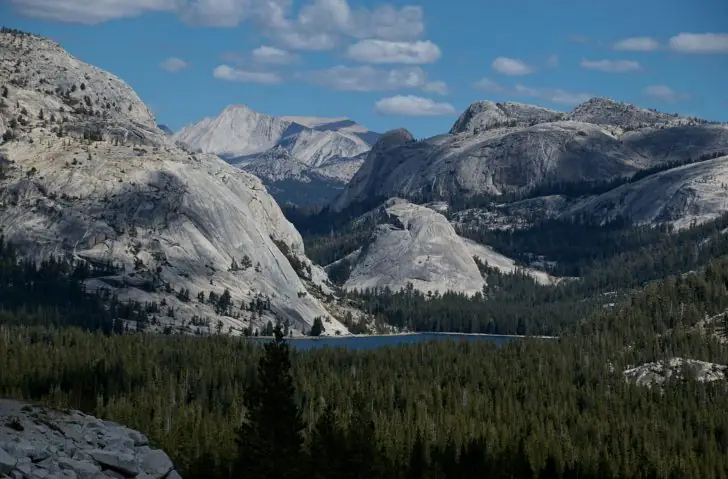
Every year, millions of visitors flood national parks, and their money follows. From cozy mountain lodges to bustling souvenir shops, businesses near park entrances thrive on this constant stream of tourism. Places like North Carolina’s Great Smoky Mountains and California’s Yosemite see thousands of travelers each day, fueling local markets.
The financial impact doesn’t stop at direct spending. When tourists book rooms, eat at local diners, or rent outdoor gear, they support a chain of jobs – from tour guides to hotel staff. Even gas stations along scenic byways see a significant revenue boost. Without these parks, many small towns would struggle to survive.
Park Tourism is an Elixir for the U.S.
Beyond lodging and dining, national parks influence everything from real estate to conservation funding. Increased tax revenues benefit local governments, improving public services and infrastructure. New businesses open to cater to visitors, creating a cycle of economic growth.
Tourism dollars also fund park maintenance. Entrance fees and sales from gift shops help maintain trails, repair visitor centers, and support wildlife conservation. This system works – until funding gets cut. Unfortunately, recent federal decisions threaten to shake this balance.
Job Cuts and Uncertain Futures
The U.S. government recently announced plans to lay off around 1,000 National Park Service employees. These cuts could lead to reduced visitor services, shorter park hours, and even temporary closures in some locations.
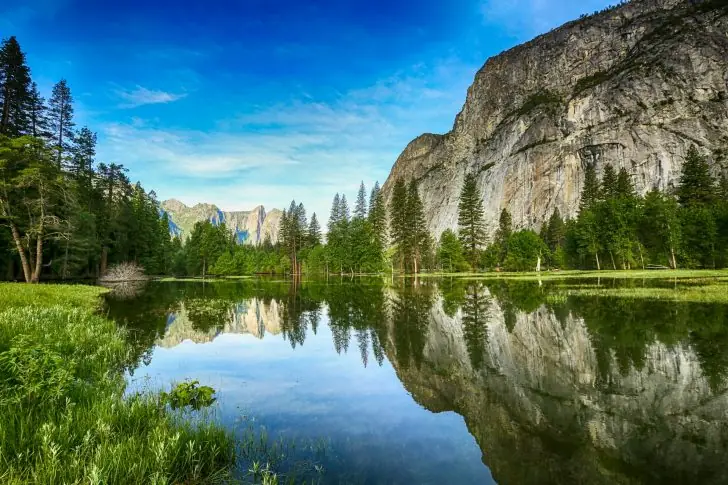
Fewer rangers and maintenance workers mean less upkeep, which could impact visitor safety and park preservation. Essential tasks like wildlife research, trail repairs, and facility management may be delayed, leading to long-term damage to these treasured landscapes.
Can National Parks Survive These Cuts?
Despite layoffs, national parks continue to draw record numbers of visitors. In 2024, over 331 million people visited these natural landmarks—an increase from the previous year. This shows that demand is not fading, but without proper funding and staffing, the quality of these destinations might suffer.
Advocates argue that investment in national parks should match their economic contribution. With billions flowing into the economy, cutting resources seems counterproductive. Parks need staff, infrastructure, and conservation programs to keep attracting visitors and generating revenue.
Notice that national parks are not just scenic getaways. They are vital to the economy. They support jobs, fuel local businesses, and drive billions in revenue. However, staffing cuts and underfunding could jeopardize these benefits.
National parks need attention and investment for the U.S. economy and future generations. Protecting these landscapes is not just about preserving nature. It is about sustaining a multi-billion-dollar industry that benefits the entire country.